
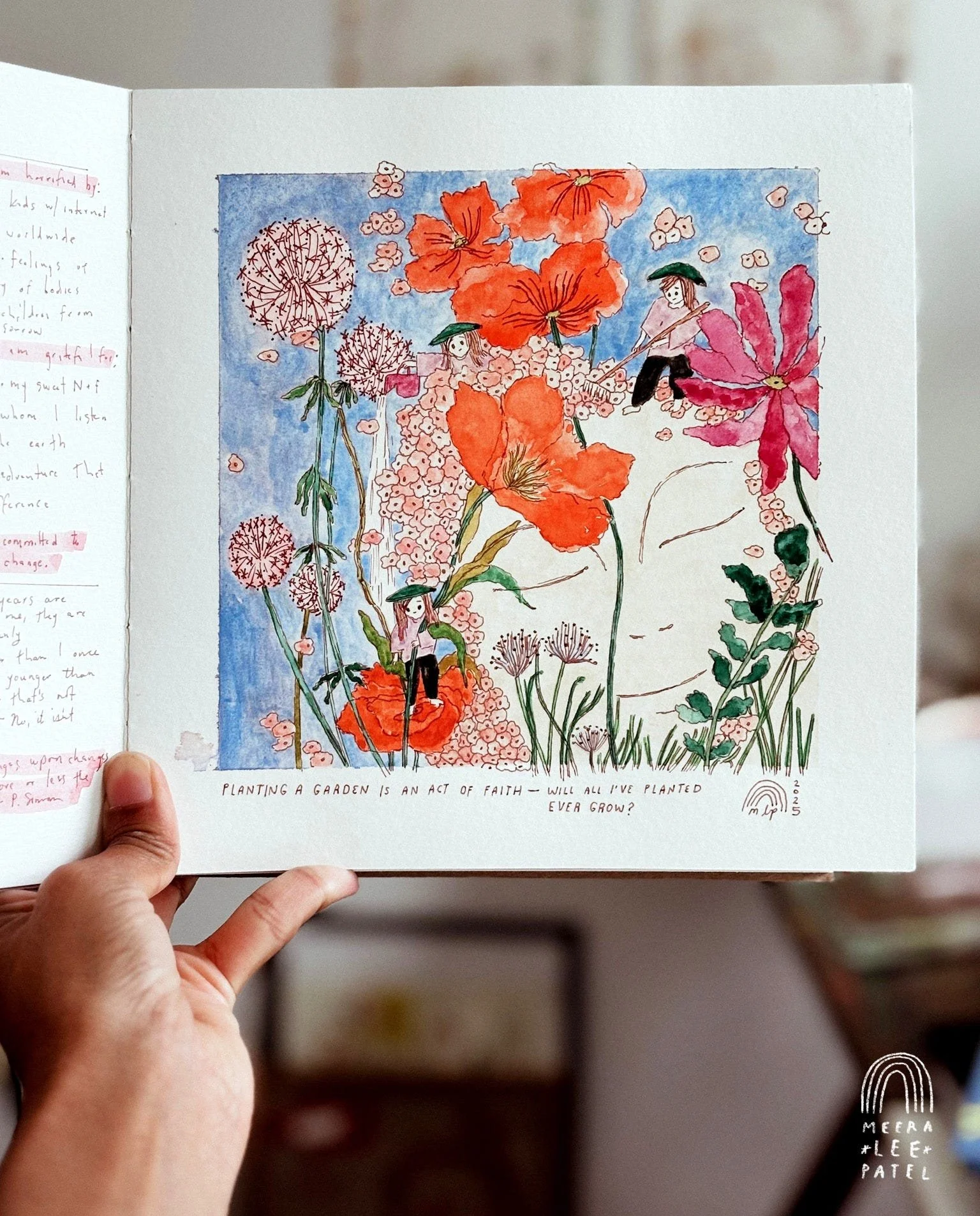
Planting a Garden (sketchbook, 2025)
Yesterday, I wrote to my representatives and senator requesting we shut the Everglades detention camps—you can, too.
A year from now, here are five things from this week that I'd like to remember:
MONDAY
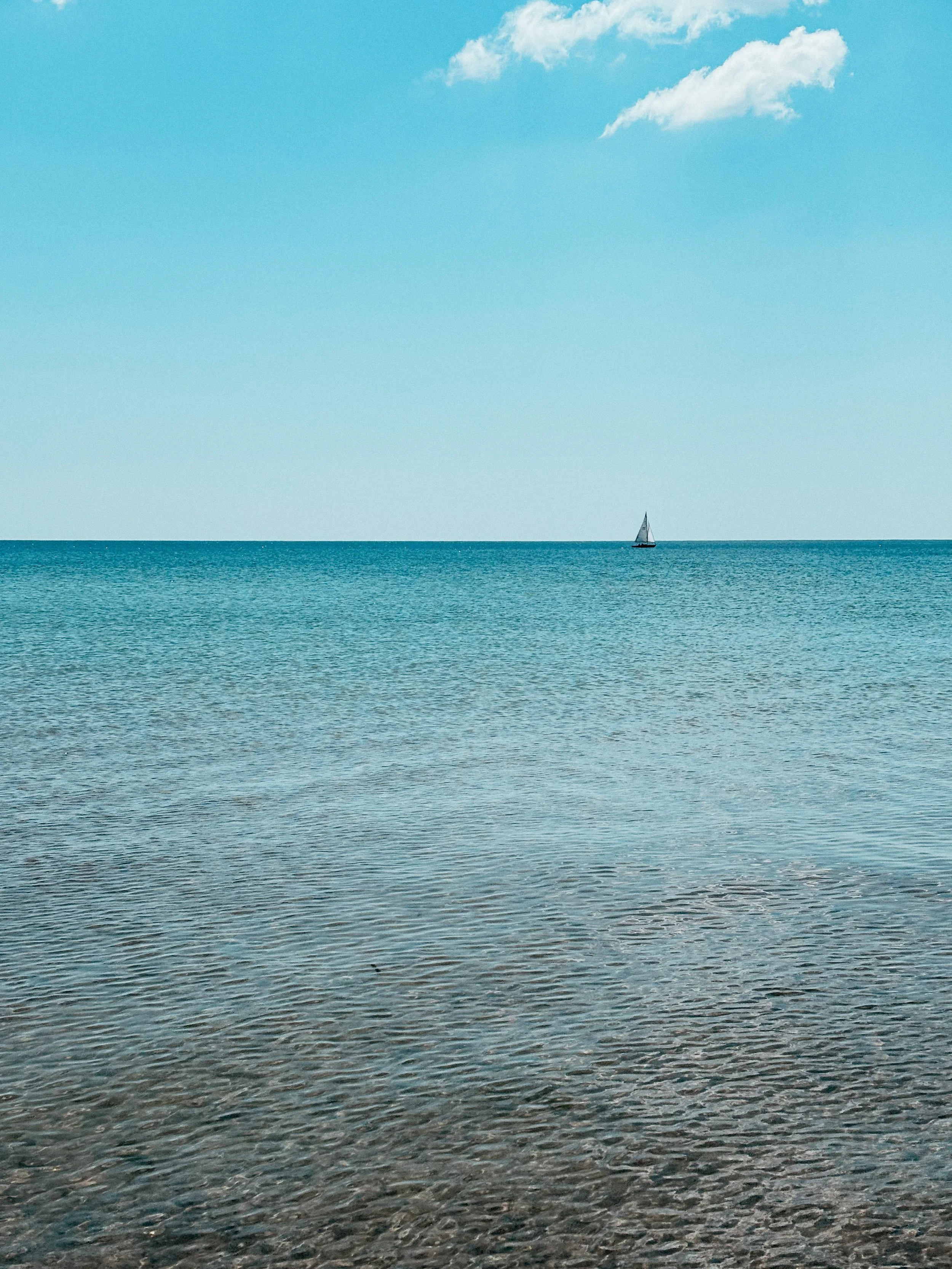
Lake Michigan on the Milwaukee side (2025)
We pile into the car evenly—three children and three adults, a dozen books and crayons shoved into backpacks, grocery bags of assorted snacks. We sing songs and have nonsensical conversations; we count how many hours, then minutes, there are left. W cries from the numbness that settles into her unused limbs, F cries that my hand is too far away to hold. From her perch in the third row, N watches with detached amusement. Nearly seven hours later, we arrive in Milwaukee. Though K and I have been friends for 30 years now, this trip together with our young children is our first.
After unpacking and settling in, we feed the restless children and tuck them in. The next morning, we head to the beach. On this side of the lake, the cold water is clear. I wade in after N and look down at my toes. Though they are two feet below water, I find them easily. I don’t know if the water is clean, but I pretend it is, the transparency of it inviting me to look more closely. My toes curve over hundreds of stones, mostly Basalt and Septarian, smoothed over hundreds of years in the sea. Each one is the perfect shape. It’s easy for me to love—to seek out, even, the blemishes in natural materials. It’s much harder for me to accept the flaws in people, the flaws in myself—but I am working on it. I look for Yooperlites, but find none.
The morning passes easily. The sun is hot; the lake is cold. The girls oscillate between joy, fatigue, and hunger. N and I build a sand castle; F knocks it down. W has a qualm; no one knows what it is. The children cry and then move on. We do, too. When it’s time to pack up and head home for lunch, all three girls protest, having fallen in love with the lake. My heart is close to bursting, for all I want is for my girls to love the water, themselves, and each other. We’ll come back tomorrow, we promise, brushing the sand from their bodies. On this side of the lake, multiple friendships are forming.
On the deck of our rental house, I hang up our wet things. Our three girls sprawl over the wooden slats and eat. It’s odd to see how much F and W resemble the younger versions of K and I—how these incarnates will have their own chance for a lifetime of friendship with each other. How N, maybe, will look after them the way my own sister does. Long car rides, conversations late into the night. Tears, arguments, the inevitable periods of silence. The first phone call after. The acceptance of each others’ flaws. I hope they will take turns holding on and letting go, but mostly, I hope, they’ll spend their time making each other feel known.
We spend a few more days at the lake. Our three girls play and chatter, sometimes together, sometimes apart. Like the stones I reach for, each is strange and wonderful. We build more sand castles, and this time, it’s the water that knocks them down. On this side of the lake, we don’t mind, because the water teaches us about friendship: it ebbs and flows, but always, in the end, it goes on.
TUESDAY
For Issue 66 of Uppercase Magazine, I wrote about my recently revived journaling practice, and the effects it’s made on my life and creative work.
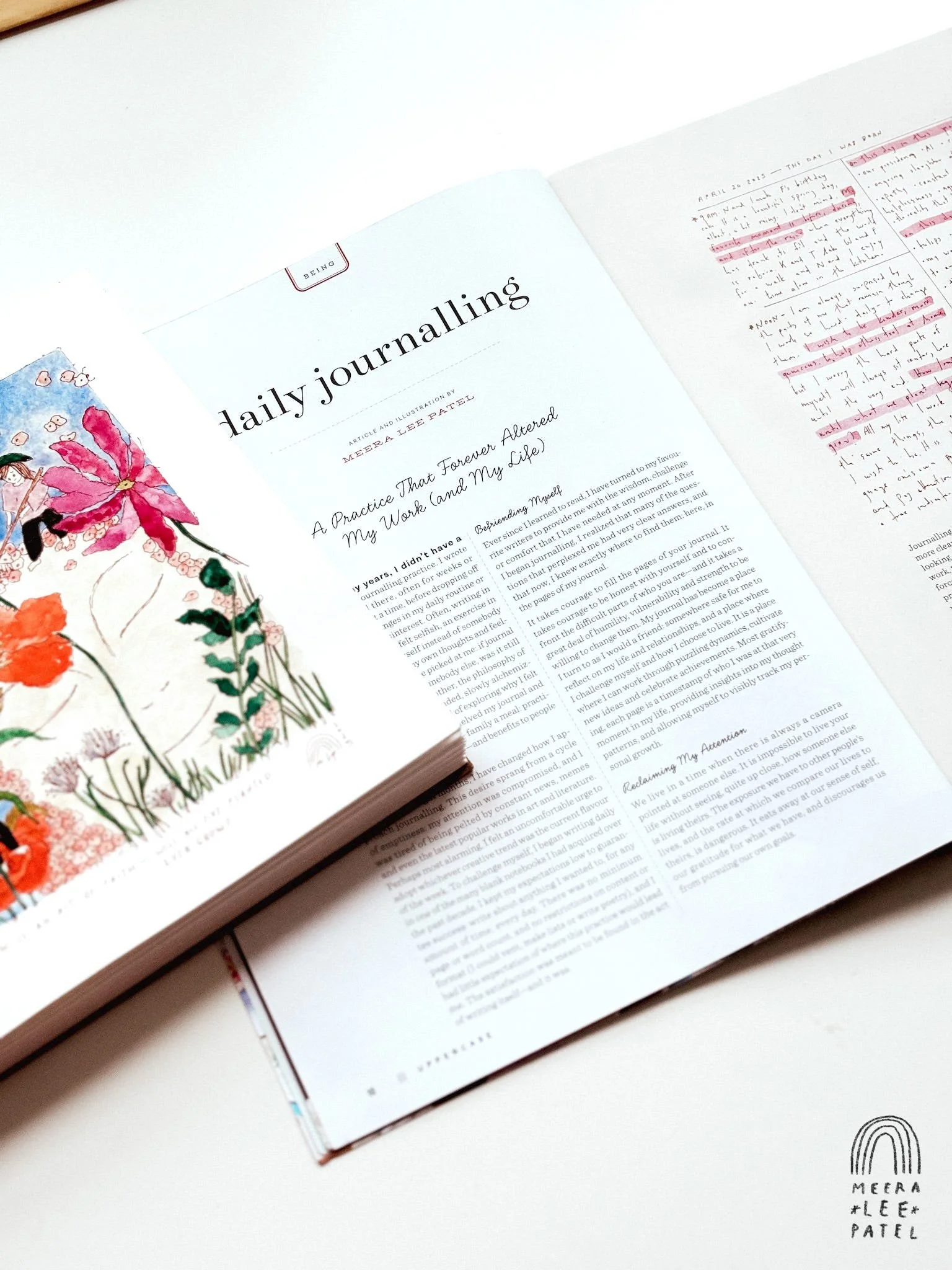
A photo of my latest essay for Uppercase Magazine on daily journalling
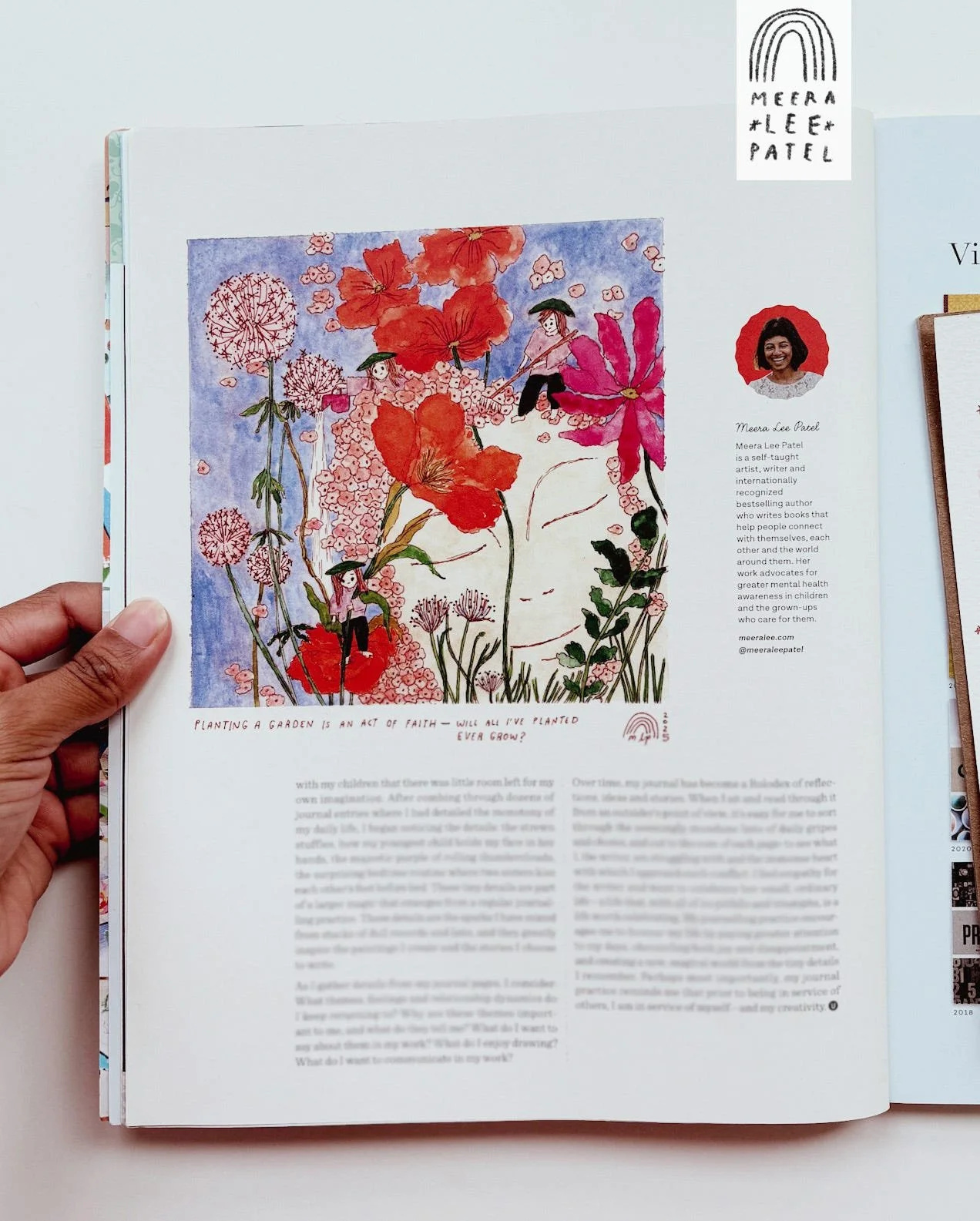
A photo of my latest essay for Uppercase Magazine (2025)
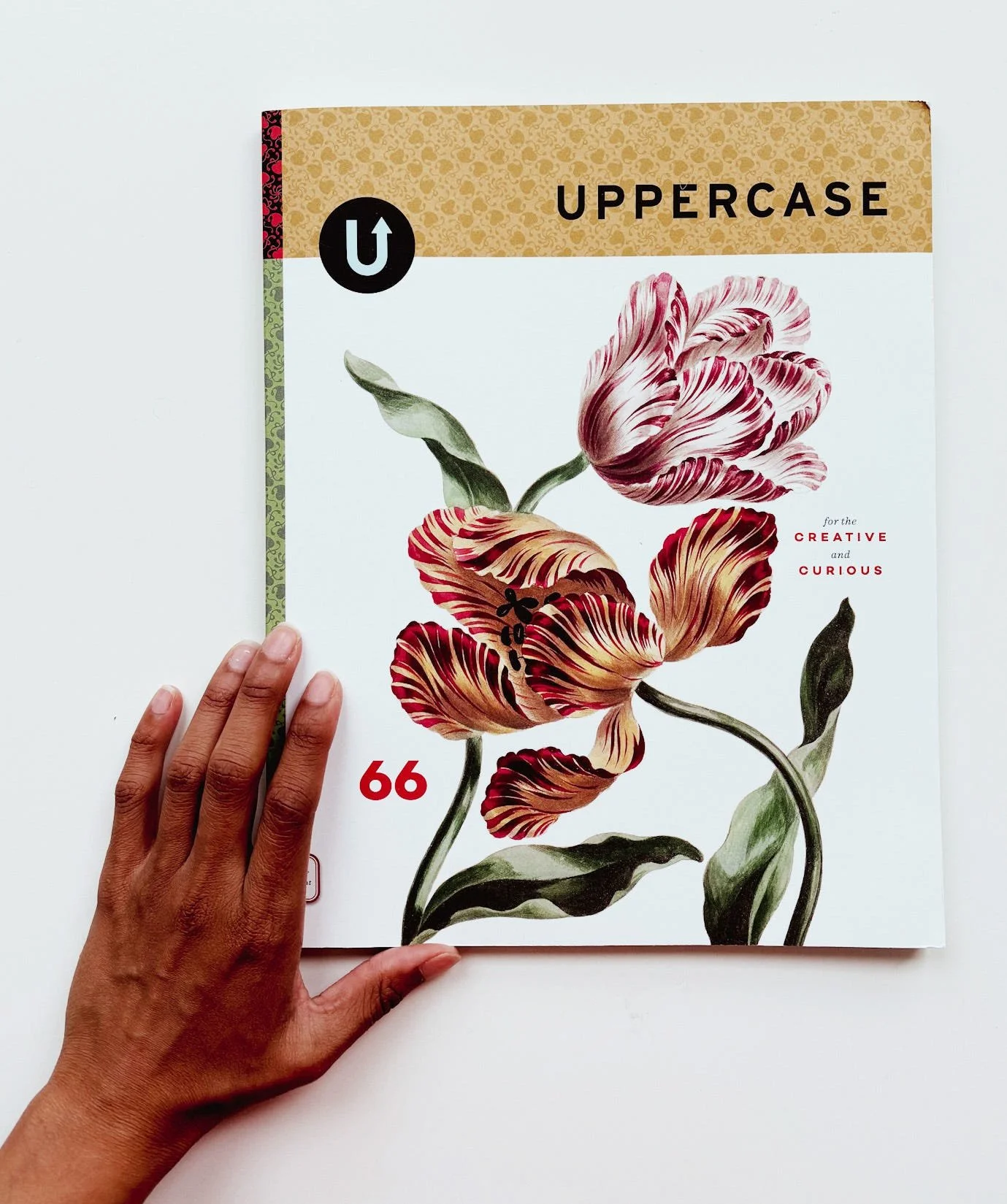
Issue 66 of Uppercase Magazine (2025)
“Over the past 8 months, I’ve changed how I approach journaling. This desire sprang from a cycle of emptiness: I found my attention was compromised, tired of being pelted by constant news, memes, and even the latest popular works in art and literature. Perhaps most alarming, I felt an uncomfortable urge to adopt whichever creative trend was flavor of the week. To challenge myself, I began writing daily in one of the many blank notebooks I’ve acquired over the past decade. I kept my expectations low to guarantee success: write about anything I want, for any amount of time, every day. There was no minimum page or word count (I’d fallen out of the morning pages routine years ago), no restrictions on content or format (I could vent, make lists, or write poetry), and I had little expectation of where this practice would lead me. The satisfaction was meant to be found in the act of writing itself—and it was.”
—from Daily Journalling: A Practice that Forever Altered My Work (and My Life) for Issue 66 of Uppercase Magazine
WEDNESDAY
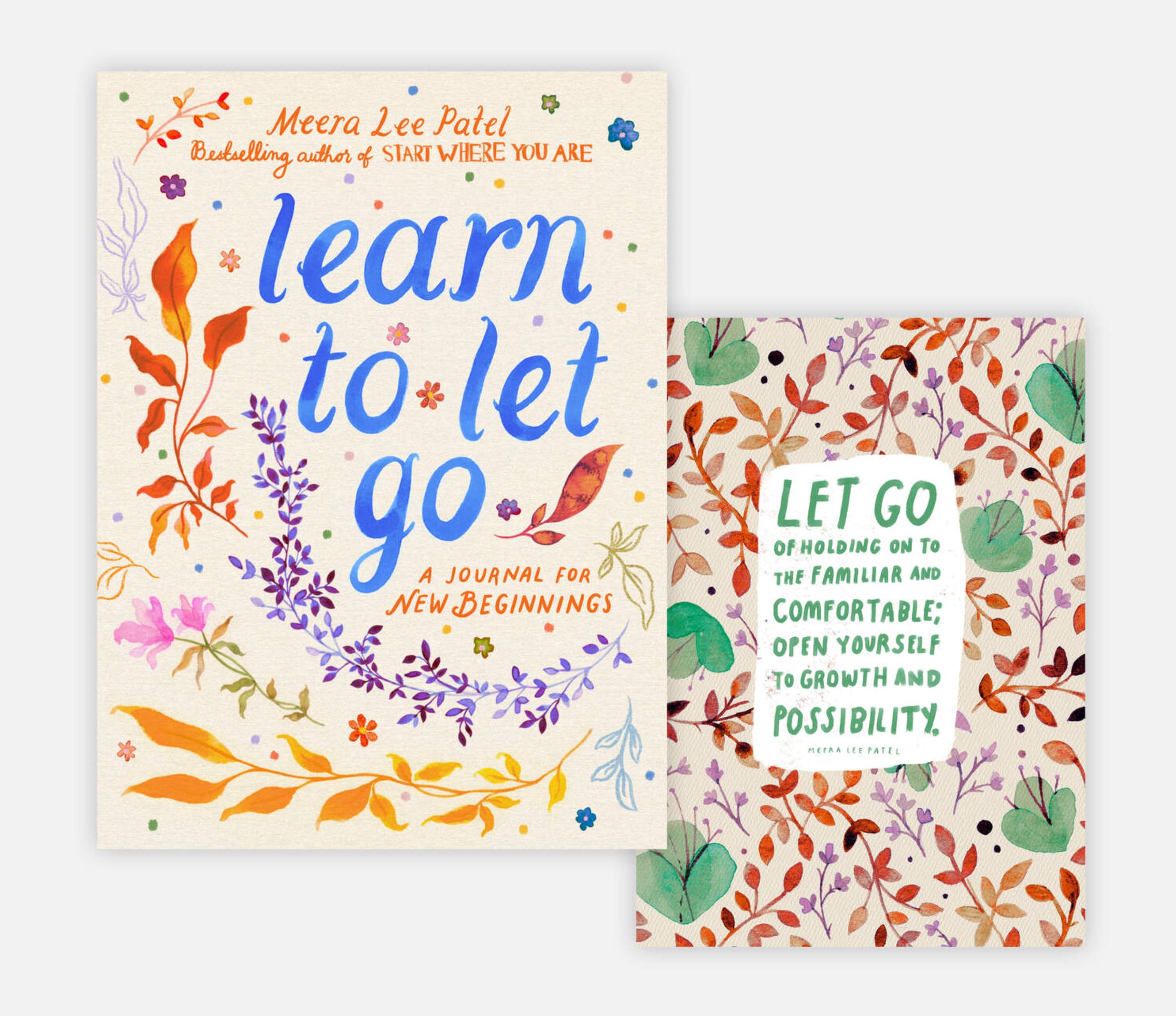
I’m excited to announce that now, when you pre-order Learn to Let Go through BuyOlympia, you’ll receive this limited-edition LETTING GO art print, too! Get yours here—and consider ordering a few for some friends, too. We could all use a little encouragement in the places we feel stuck.
Many thanks to my friends at BuyOlympia for putting this together.
THURSDAY
While in Milwaukee, we spend time at the Grohmann Museum. Surprisingly, it is a place where all four of us fall in love. The museum showcases the evolution of labor and work throughout history and it was easy to see that nearly everything is possible using the two hands in front of me. Writing about it now, I see—again, quite easily, how much good it would do for me to remember this.
I was surprised by how N gravitated towards the depictions of household labor: how she seemed enchanted by skilled trade as much as I am. Some of our favorite pieces showed ordinary people transforming ordinary materials into something more: cork shaped into stoppers, glass blown into bottles, chemicals mixed into medicines.
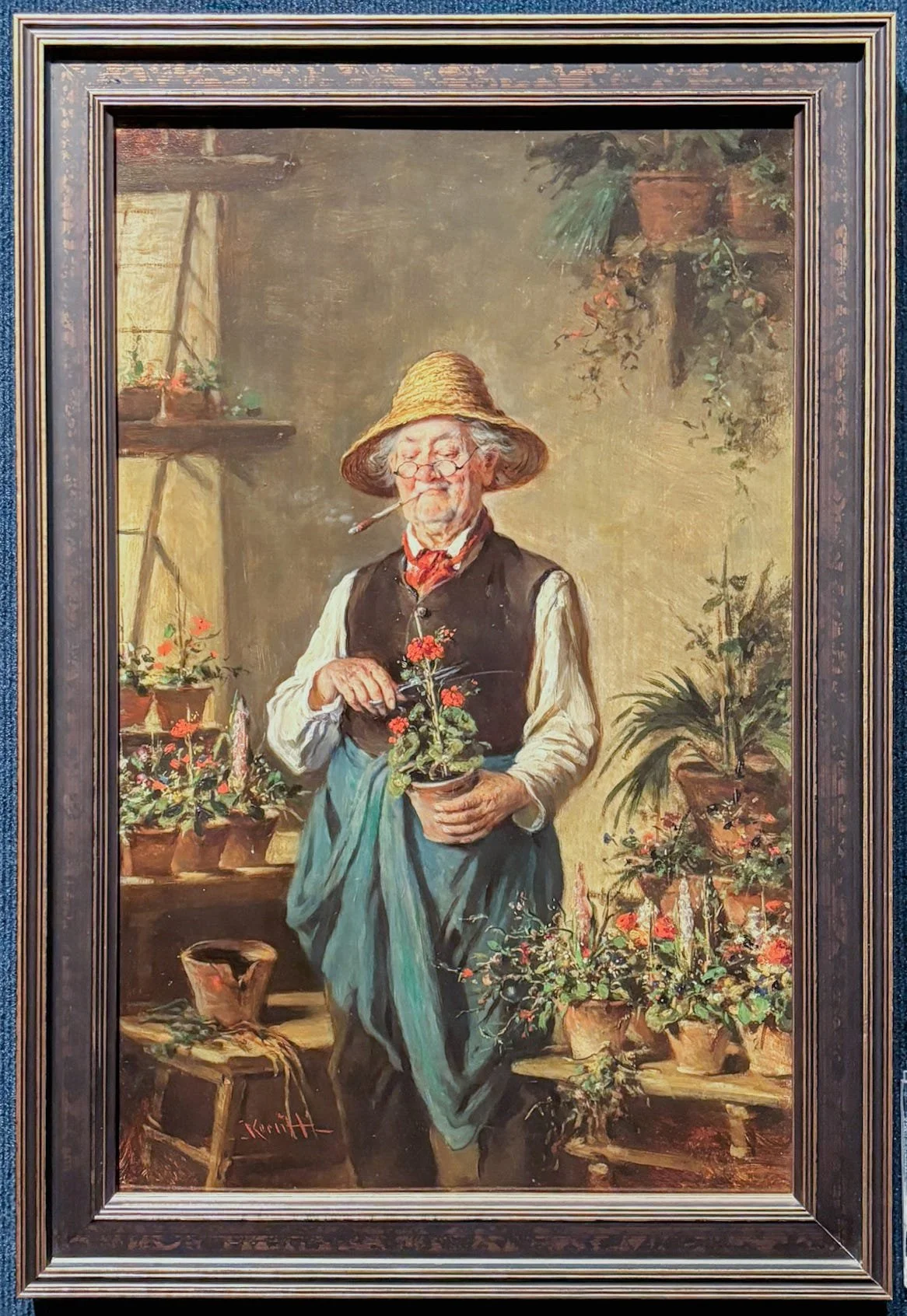
The Happy Gardener by Hermann Kem (oil on panel)
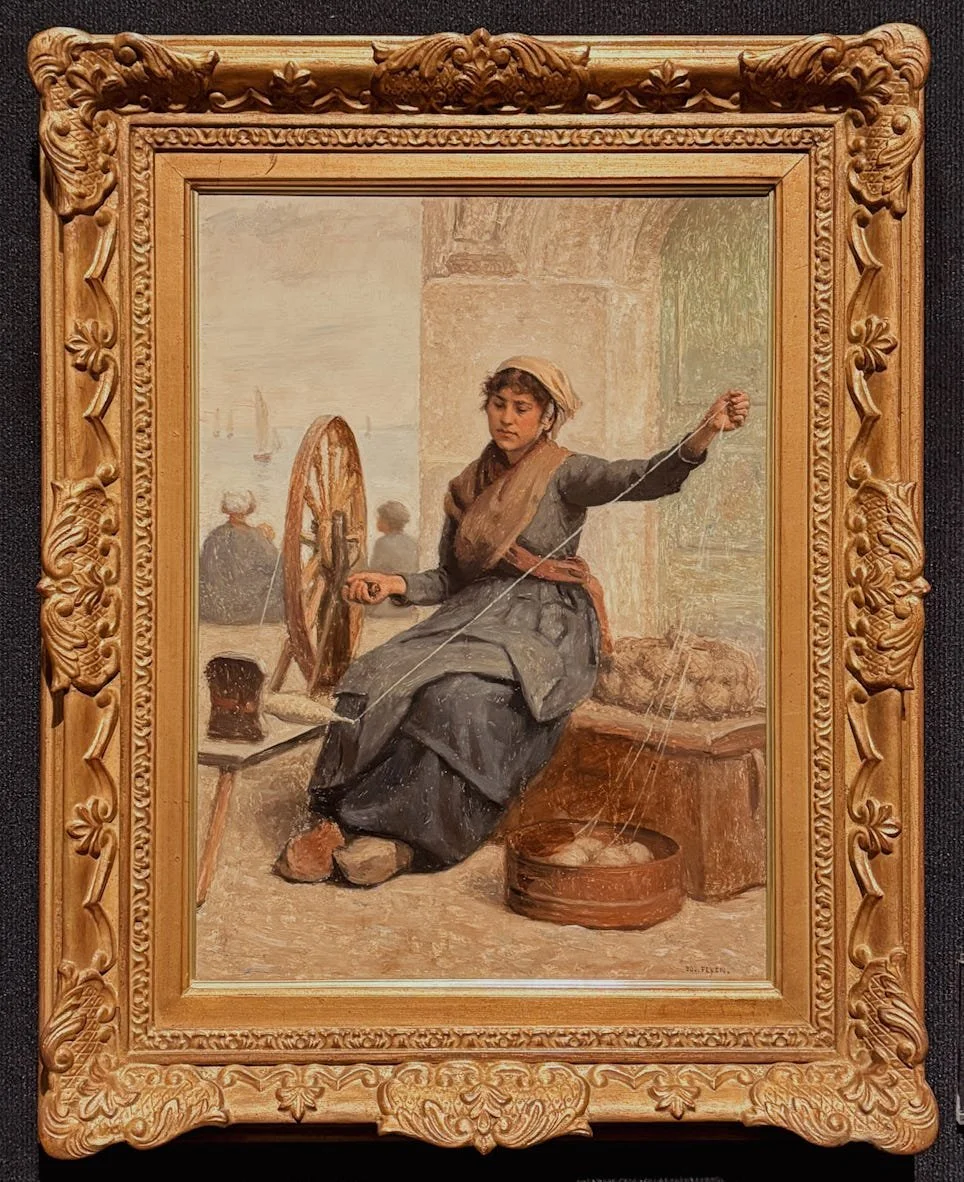
The Breton Spinner by Eugene Feyen (oil on panel)
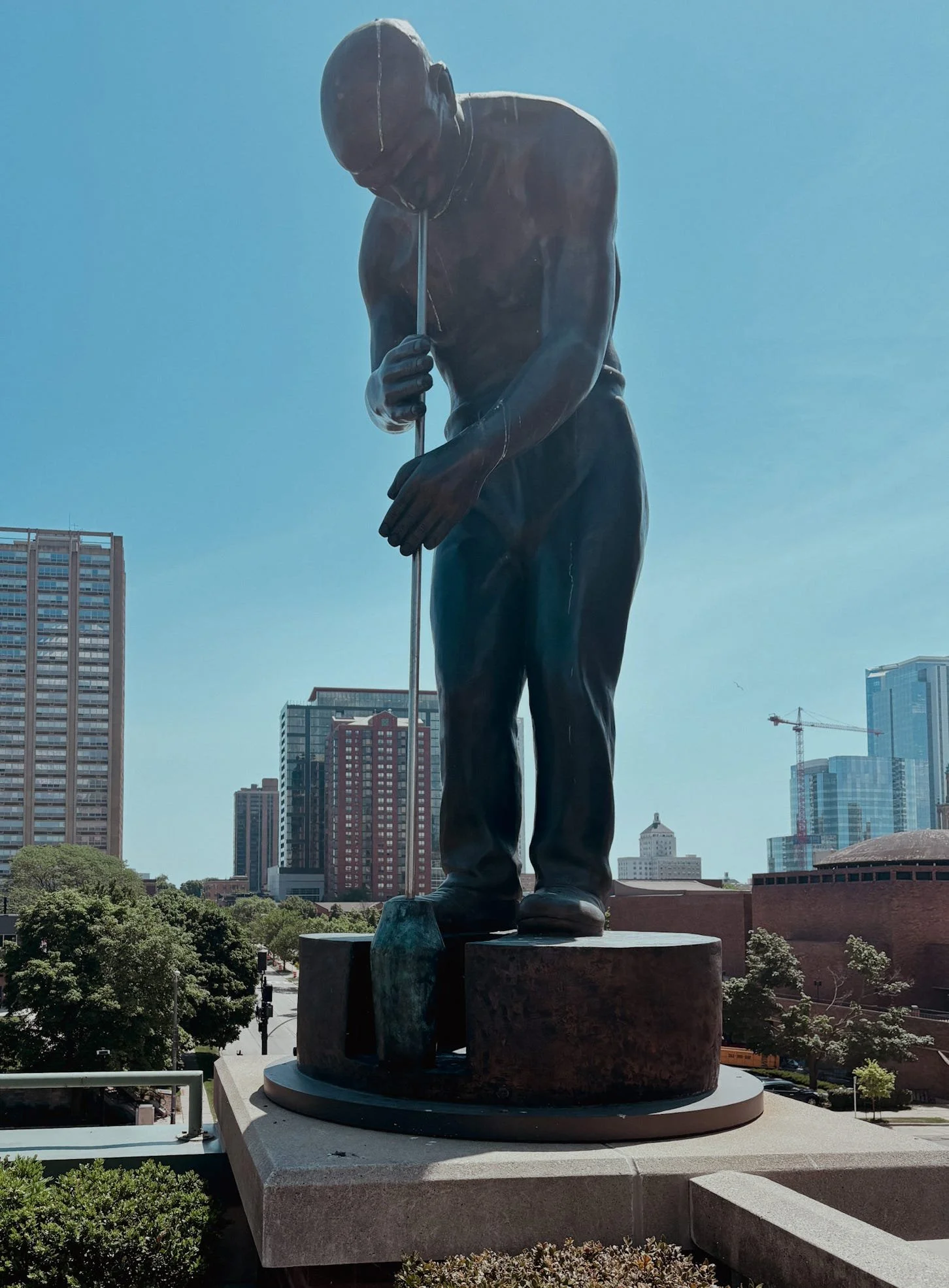
Glass Blower (artist unknown) (2025)
Although I’ve always been a crafts person, age encourages me to learn as many skills as I can—to be less reliant on corporations for my needs, to spend more time creating the objects that surround me. They are usually less beautiful, and sometimes less useful, but they mean more—and these days, meaning goes a long way.
FRIDAY
Tomorrow when the farm boys find this
freak of nature, they will wrap his body
in newspaper and carry him to the museum.
But tonight he is alive and in the north
field with his mother. It is a perfect
summer evening: the moon rising over
the orchard, the wind in the grass.
And as he stares into the sky, there
are twice as many stars as usual.
—The Two-headed Calf by Laura Gilpin
See you next week!
xx,
M
To sign up for my weekly newsletter, Dear Somebody, please subscribe here.