• Learn to Let Go
  • Books for Everyone
  • Work
  • newsletter
  • Journal
  • Shop
  • About
Menu

Meera Lee Patel

ARTIST, WRITER, BOOK MAKER
  • Learn to Let Go
  • Books for Everyone
  • Work
  • newsletter
  • Journal
  • Shop
  • About

Dear Somebody: A thousand years.

April 3, 2026

The Biggest Dream, originally published in Issue #38 of Chickpea Magazine

A year from now, here are five things from this week that I'd like to remember:

MONDAY 

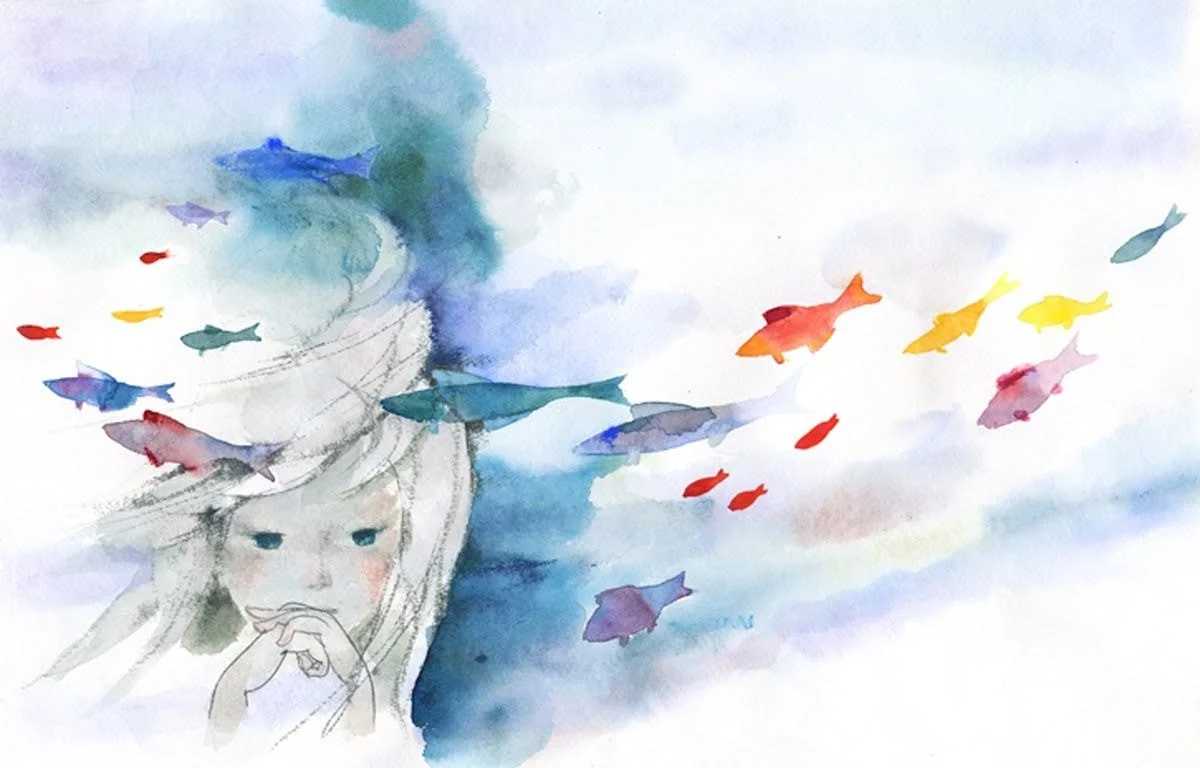
I’m sitting under the Dallas sun when I hear about the blood. The bleeds are two fish making their way through the currents of your brain and I wonder what they are looking for. What do they hope to find? Do they realize the disruptions they are causing?

I’m sitting in the DFW airport when it occurs to me that the fish inside your brain are still swimming, that possibly they’ve been swimming for a very long time. It occurs to me that sharks are a type of fish: stealthy, silent. Their bodies are made out of cartilage; they are unburdened by the weight of bone. Sharks sneak up on us when we finally set our anxiety aside, just long enough for a dip in the salty waters. Just long enough to enjoy life for a few minutes. I feel torn. I’m stuck between my own anger and the reality of knowing that no sharks singled you out. They were just hungry. You were just there.

I’m sitting in the ICU when I first see that the waves in your brain are large. Only a large object could cause such a disturbance, ripples that wash over your memory, your judgment, your speech. The brain is categorized into eight separate lobes and there is water, I mean, blood—everywhere. 

These are some big fish, I think to myself, trying to reach you through your closed eyes. I’ve spent years trying to catch the big fish, and here you caught two all on your own without even trying. I wonder if you’ve ever been whale watching; I don’t think you have. Maybe once in Hawaii? I begged you to take me fishing when I was a kid, but I don’t think we ever did…right? Right? I want you to wake up so I can confirm this information, but your eyes remain closed no matter how loud I scream.

I’m sitting in the hospital room next to you when you tell me the year is 1926. I don’t blink; I ask you to try again. You want to ask where my sister is, but you can’t retrieve her name. She’s coming soon, I tell you, and your face softens. What’s my name? I ask, and you hesitate. You don’t answer. I don’t blink; I don’t ask you to try again. I know you recognize who I am and the warmth of you washes over me. You’re still you, and I feel comforted by your presence, just like I did when I was a kid. Even though you don’t know my name. Even though everything has changed. 

I’m pulling a sheet over the chair next to your bed when you speak to me unprompted. I think I’m going to get better, you say, and my heart breaks over the light in you. Some people swallow a little of the sun and it stays with them forever; you did, and I know that. The sunlight beams out of your face brightly even though everything is cracked. It’s a light that always plays, even when it’s a bad hand, even when it’s easier to blame, to argue, to just plain quit. 

You lay down in bed and I lay down in the chair next to you. It is so loud in this room filled with patients and nurses and lights and flashes and I am filled to the nose with overwhelm and questions. How strong is each ripple moving through your brain? Will the water hurt or heal all that it touches? After everything evaporates, what will remain?

You are confused, displaced. I’m right here, I reassure you. It’s time for sleep. I think about how many times my small children have fought against the night, apprehensive about what happens after they close their eyes. I think about how many times I’ve waited until they’ve fallen asleep before backing out of their room slowly, sometimes on my knees. I think about how life is a ripple, a wheel that keeps turning. Time waits for no one.

It’s been one thousand years since I relied on parental presence to feel safe enough to close my eyes; for you, it’s been even longer. You’re my dad, and for the first time in a thousand years, I fall asleep holding your hand. And you fall asleep holding mine. 

TUESDAY
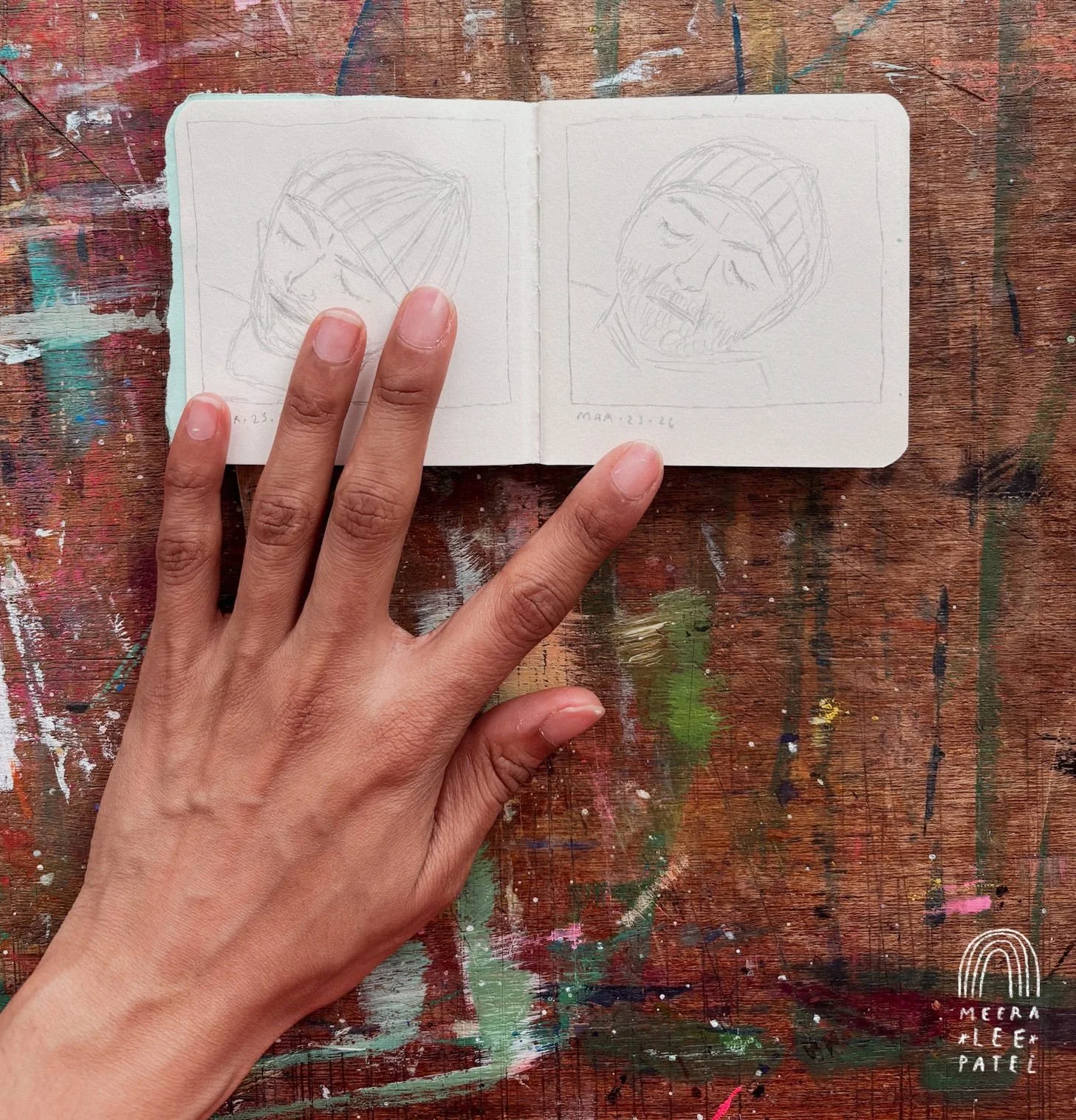
Pops in March (sketchbook, 2026)
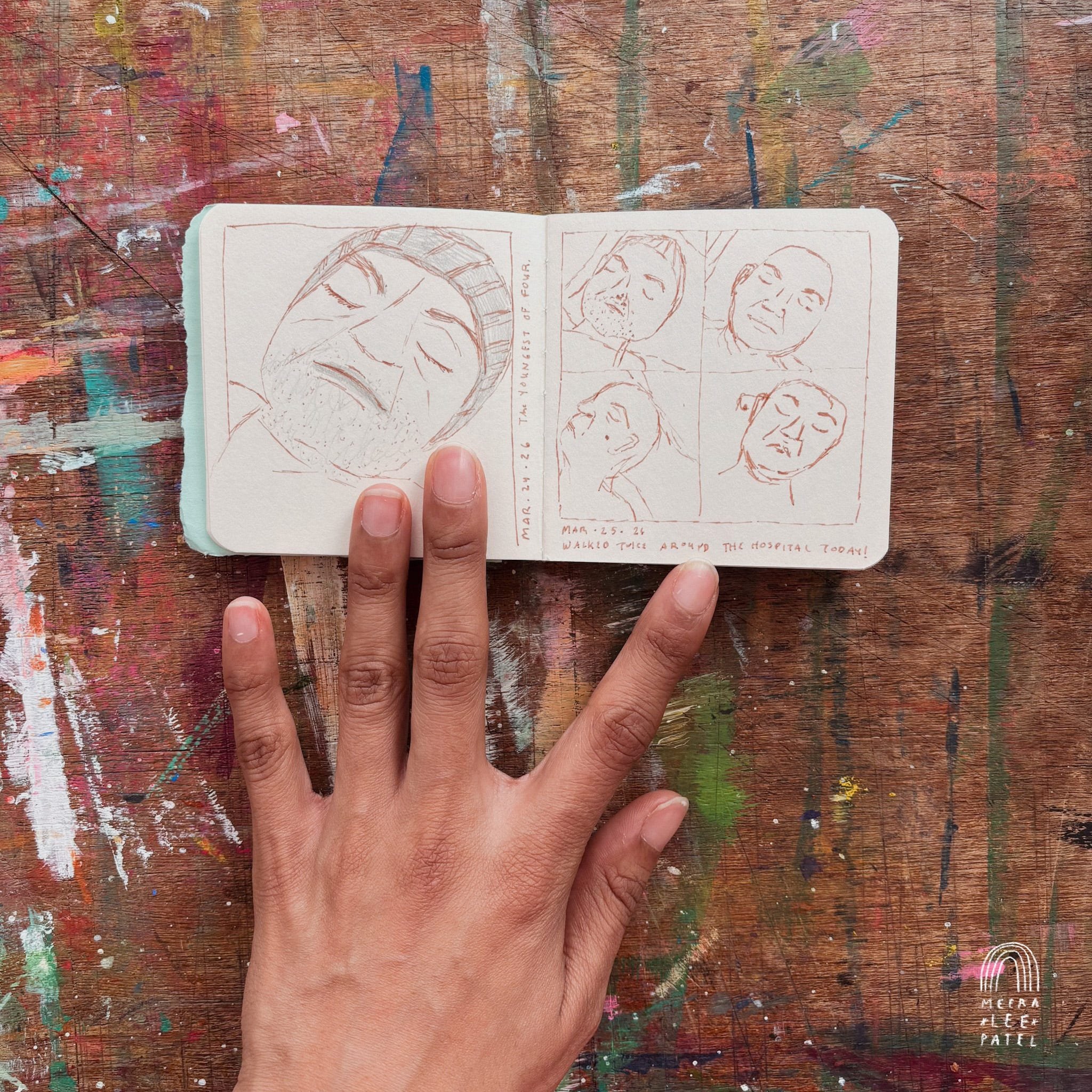
Pops in March (sketchbook, 2026)
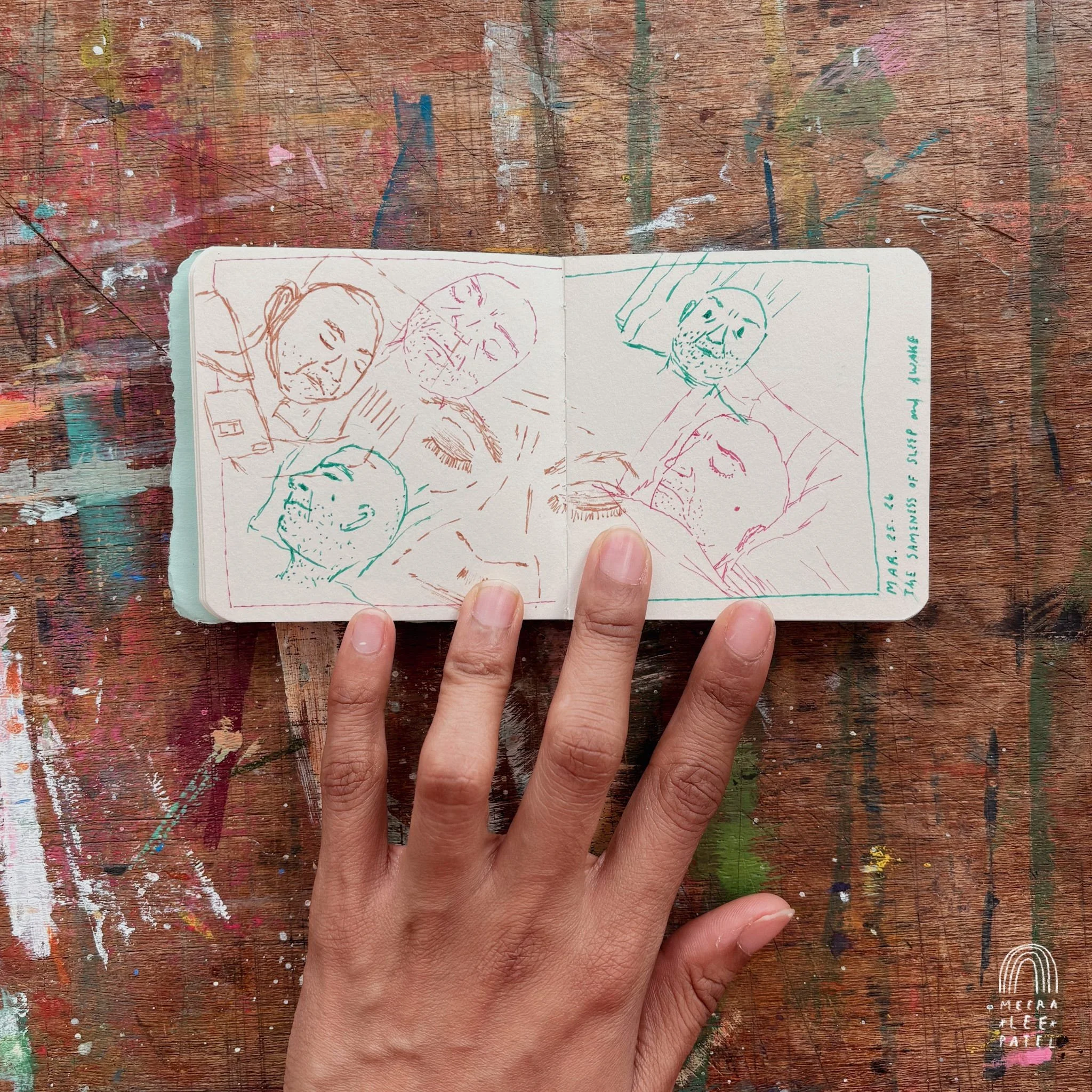
Pops in March (sketchbook, 2026)

I’m no good at capturing likeness, but for once, I don’t let it bother me. I just focus on the moment, the drawing, the memory. Everything changes in time.

WEDNESDAY

I’ve cited this passage in my newsletter before, and I’ve no doubt I will do so again; it is one that I return to repeatedly as the years roll on by:

“Care is like ephemeral art—an Andy Goldsworthy sculpture of mac and cheese and baby wipes and no tears shampoo and socks that never match and chore charts that never work and all that just gets blown away with the winds of time. And like art that isn’t static, isn’t permanent, can’t be put up on a wall and admired in a museum—care is devalued. We stumble on it sometimes in the wild and it takes our breath away, a momentary glimpse of the tenderness with which we hold and protect and nourish and delight in our loved ones; just like one of Goldsworthy’s mandala’s, there’s a divine structure to it, a feeling of inevitability. It’s as ordinary as dirt and as sacred as the kind found at Chimayo. It’s here, there, and everywhere, so kind of nowhere.

Caring for someone you love is, of course, a reward on to itself, the deepest of them, but it need not be labor that happens in such embattled circumstances. It could be absorbed and still revered, invisible and still funded, ephemeral and still prized. It could be held as the center of our existence, rather than the thing we rush through to get to our “real work.” We could see and honor the seasons—caring for children, caring for elders—and the variable capacities—the neurodivergent and disabled and chronically and temporarily ill.

I wish we had policy and professional expectations that mirrored our better angels, which show up again and again and again. Meanwhile, the winds will keep blowing away our beautiful care. That’s okay. That’s as it should be. Most of what is wildly worthwhile is achingly impermanent.”

—from Courtney Martin’s The Art of Care Mostly Disappears

THURSDAY

Some folks’ lives roll easy as a breeze, drifting through a summer night; but most folks’ lives, oh, they stumble, Lord, they fall; some folks’ lives never roll at all. 

FRIDAY

It is a kind of love, is it not?
How the cup holds the tea,
How the chair stands sturdy and foursquare,
How the floor receives the bottoms of shoes
Or toes. How soles of feet know
Where they’re supposed to be.
I’ve been thinking about the patience
Of ordinary things, how clothes
Wait respectfully in closets
And soap dries quietly in the dish,
And towels drink the wet
From the skin of the back.
And the lovely repetition of stairs.
And what is more generous than a window?

—The Patience of Ordinary Things by Pat Schneider

  • Dear Somebody: Tiny joys. (April 4, 2025)

Of all the things you can put in front of your eyes, I’m grateful that my little letter is one of them. 

If you’d like to support me, please buy my books. My art prints and line of greeting cards make excellent gifts for yourself or a friend. You can also hire me for your next project—I’d love to work together. 

xx,
M


To sign up for my weekly newsletter, Dear Somebody, please subscribe here.
In Life, Sketchbook Tags Parents, Life, Pat Schneider, Paul Simon, Courtney Martin, Sketchbook
Comment

Dear Somebody: I'm on my way.

September 12, 2025

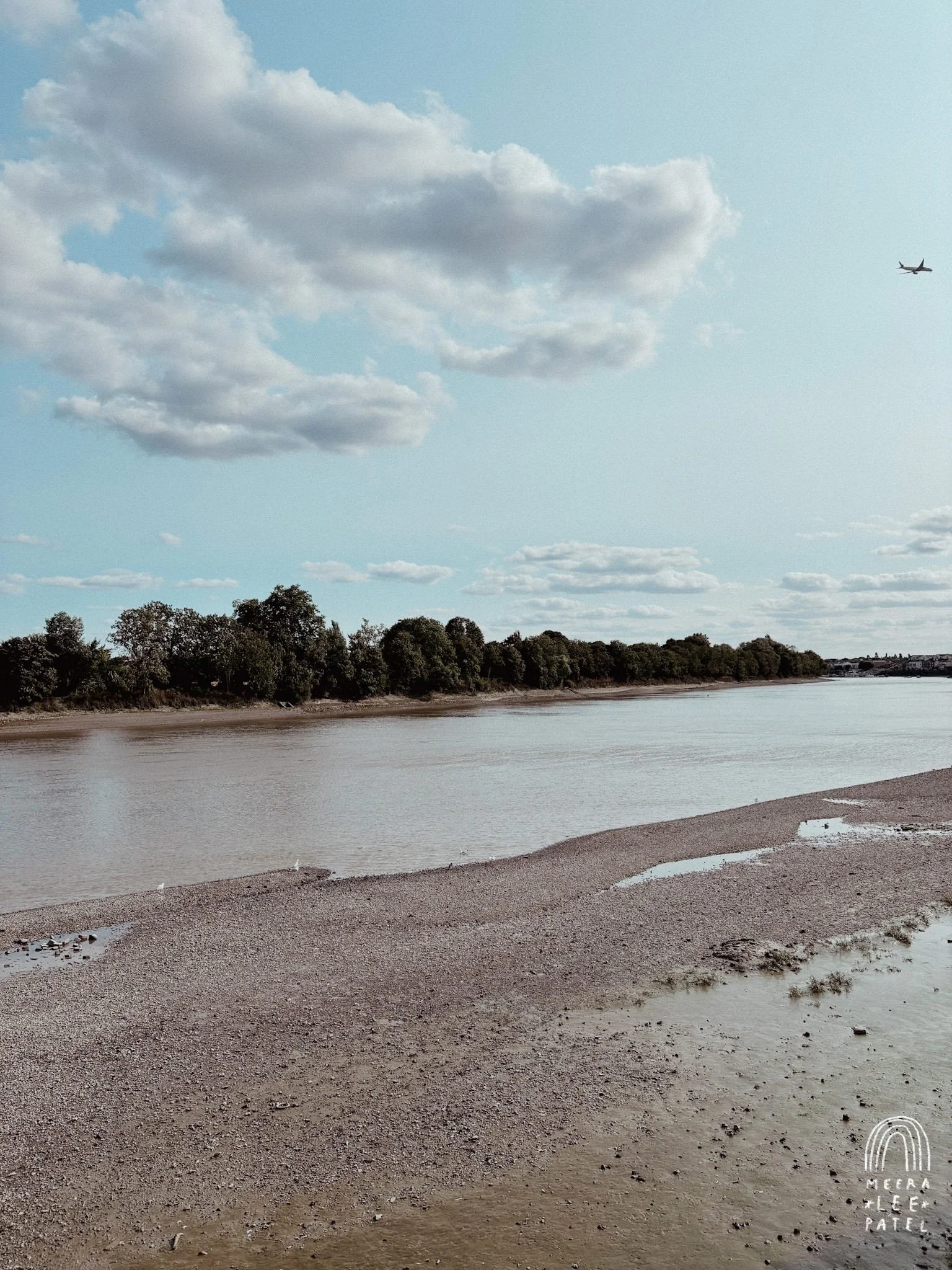
River Thames (London, 2025)

A year from now, here are five things from this week that I'd like to remember:

MONDAY 

After our standard London breakfast (coffee from Tamp, chocolate croissant from Gail’s, a banana from the street vendor) we walk to the train and board for Blackfriars. We’re going to Tate Modern to meet Honee, a friend I made in 2022 when she attended our Visual Journaling retreat in the south of France. 

I haven’t seen her since then, but our time together feels easy. We catch up on our present lives and then we visit our past ones: I learn about her childhood and upbringing, we exchange notes on our familial relationships, on art-making, on daily evolution. When we hug goodbye, it doesn’t feel like it’ll be for the last time. 

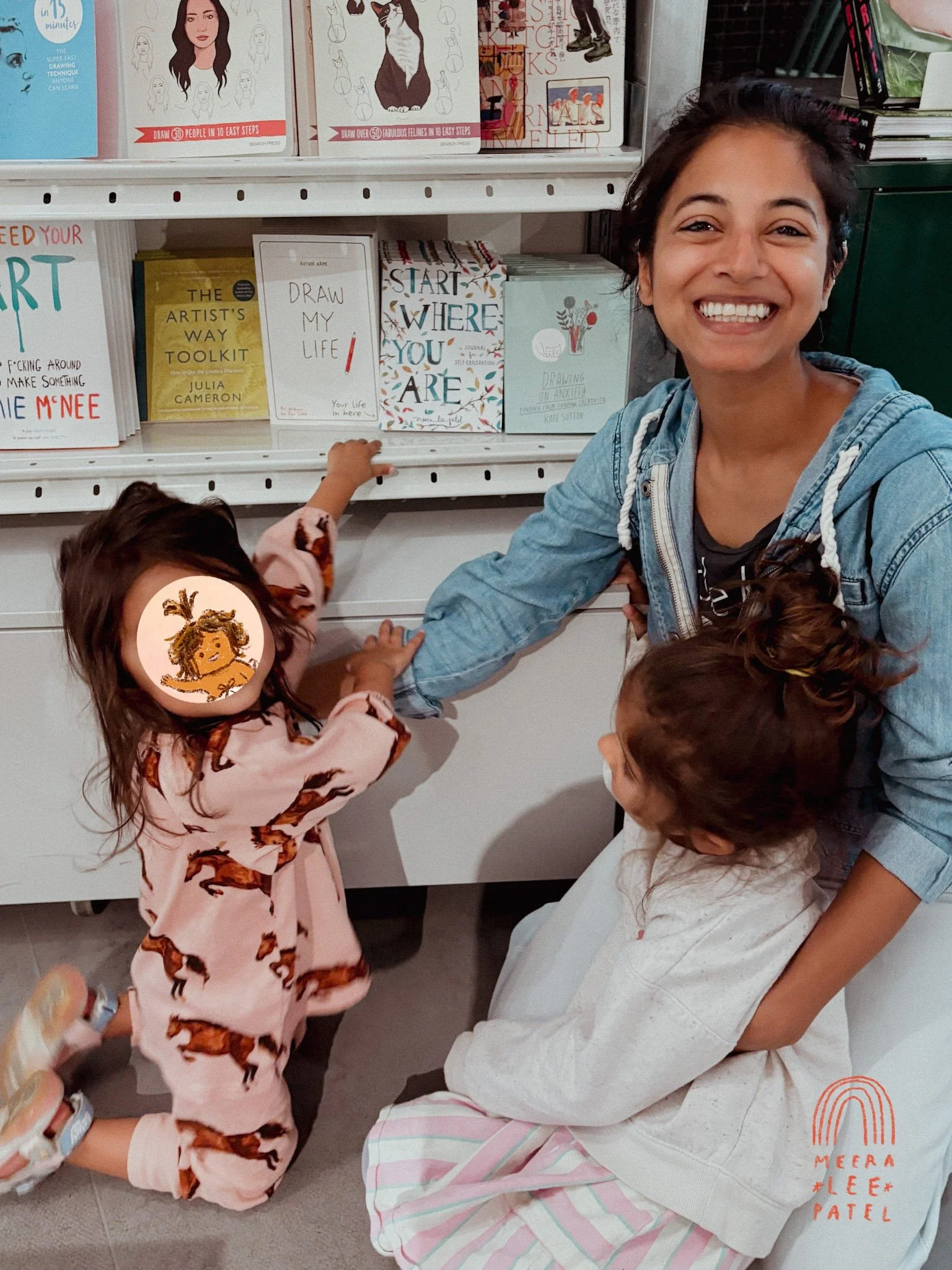
Afterwards, I meet up with T and the girls and we venture into the Tate Modern bookstore. I haven’t stepped inside this gorgeous room since 2019, and the selection is always so tempting: dozens and dozens of beautiful books, all of which I want to purchase and take back home. 

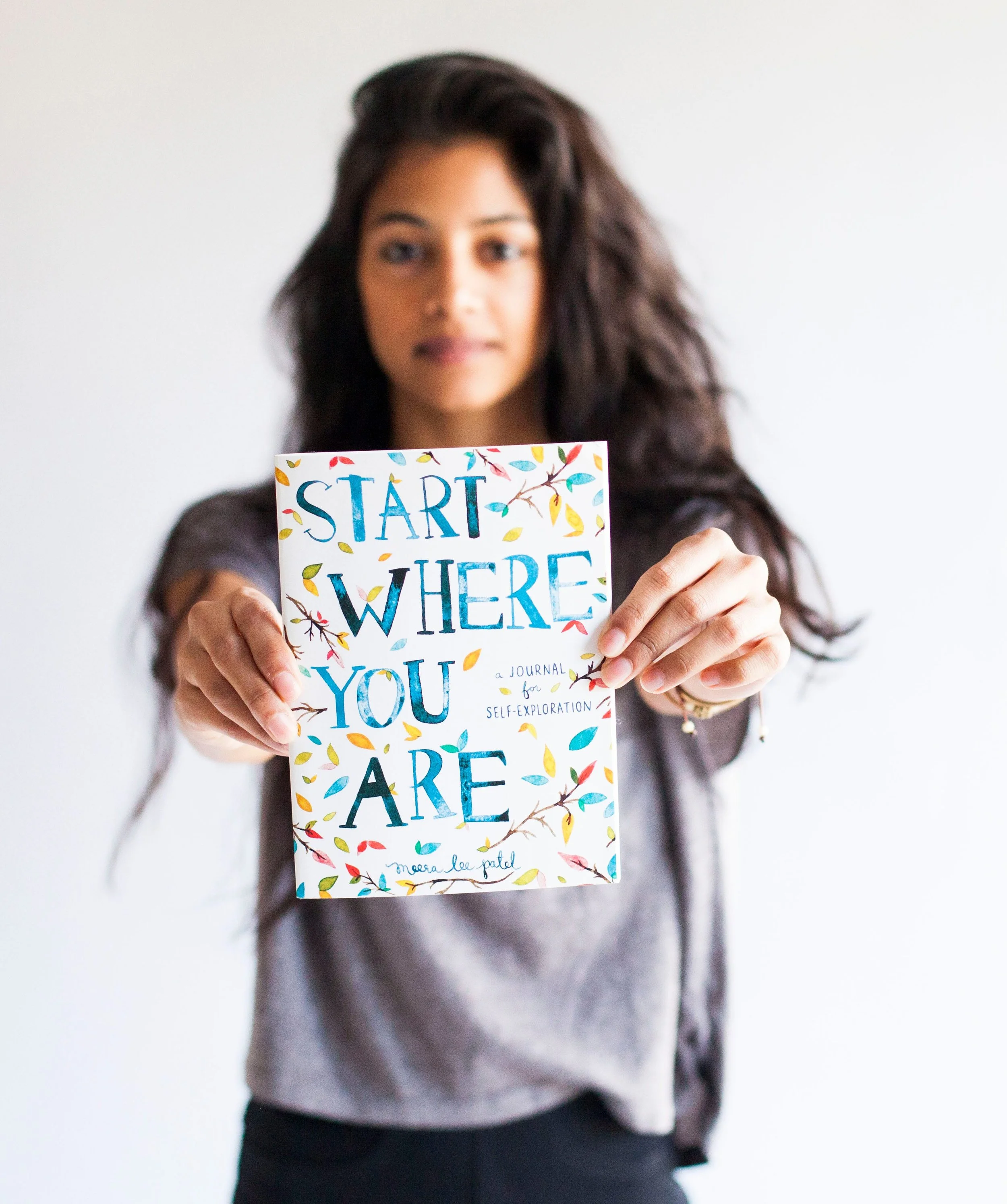
T immediately spots Start Where You Are on the shelves and excitedly shows our girls. He makes such a big deal out of it that I feel sheepish. I feel demure—after all, it’s been a full decade since this, my first book, was published—does it still deserve such fanfare? My relationship with deserve is a sticky one, conflated with dangerous notions of self-worth and how I must earn it. 

Start Where You Are: A Journal for Self-Exploration (2015!)

It’s been 10 years since Start Where You Are was published—with well over a million copies in print, it’s sold hundreds of thousands of copies worldwide, has been translated into a dozen languages, and continues to help people all over this earth learn more about themselves. Seeing that it’s still stocked in one of the most prestigious museums in the world, a decade later, is validating. 

Finding Start Where You Are at Tate Moden with N and F :) (2025)

This book changed my life. It began my career as an author; it invited me into the world of publishing—and allowed me to build my life around my love of books; it gave me my first real reason to take a chance on me. It has a very dear place in my heart, and if I consider it quite clearly, it’s disappointing to know that over time, I have learned to push all of my achievements away. 

Luckily, T forces me to recognize my success, regularly, and for that I am grateful. Celebrating this book with my young girls is beautiful. I’m grateful for the chance to show them, first hand, that making things from the heart, with honesty and integrity, can take you to incredible places—to places that once, they weren’t even allowed to go. 

I want to raise young girls who don’t feel the constant need to minimize their achievements, and believing that I deserve good things is fundamental for doing that. Believing that I deserve good things is hard—but I’m on my way. 

TUESDAY

I’m On My Way by Ben Kweller, obviously, for the aforementioned reasons. 

WEDNESDAY

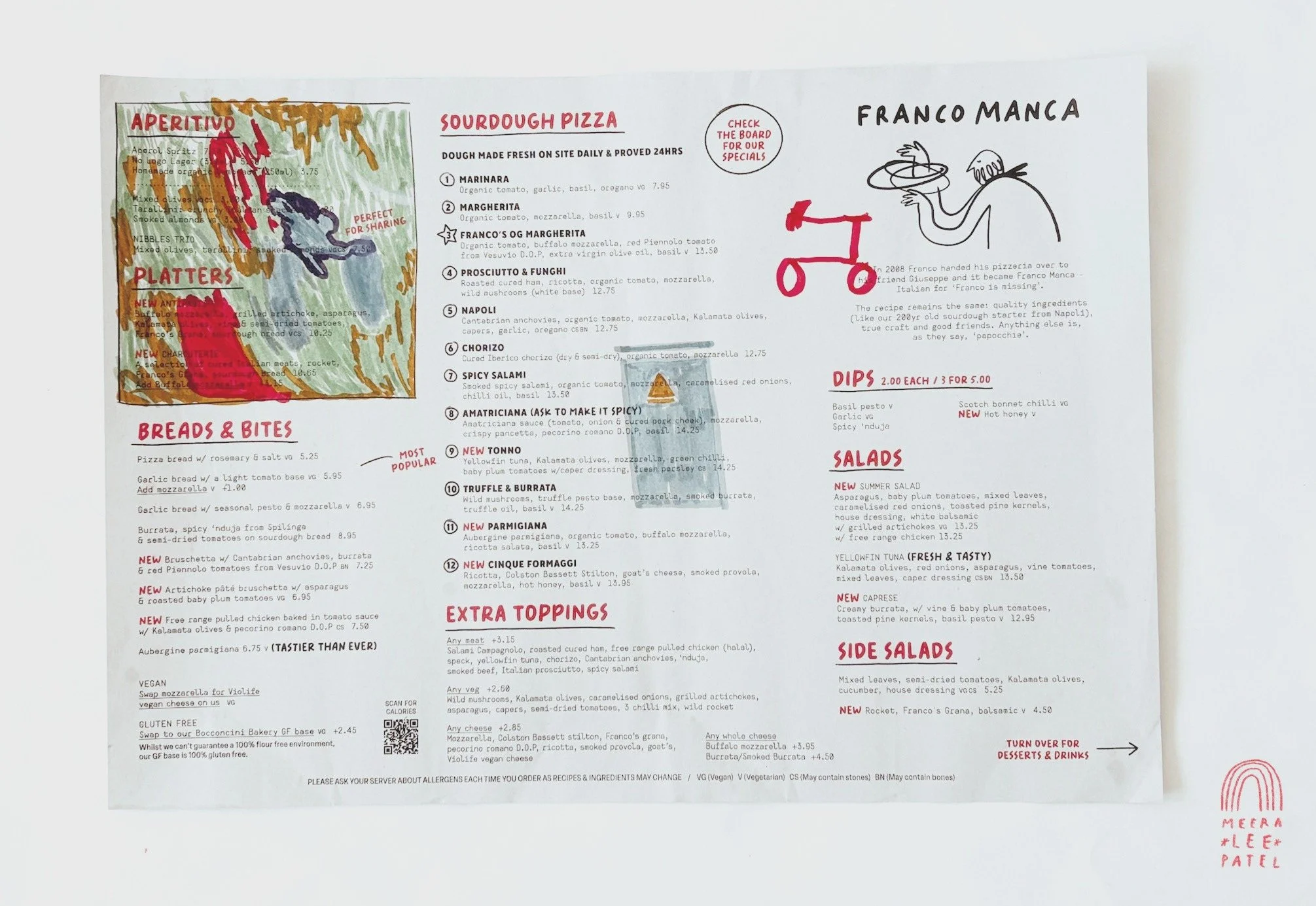
A peek into N’s London sketchbook, which was made inside an actual sketchbook but also on various paper menus throughout the neighborhood. This one, that she made while we had lunch at Franco Manca’s with a dear old friend, is one of my favorites:

N’s London sketchbook (2025)

THURSDAY

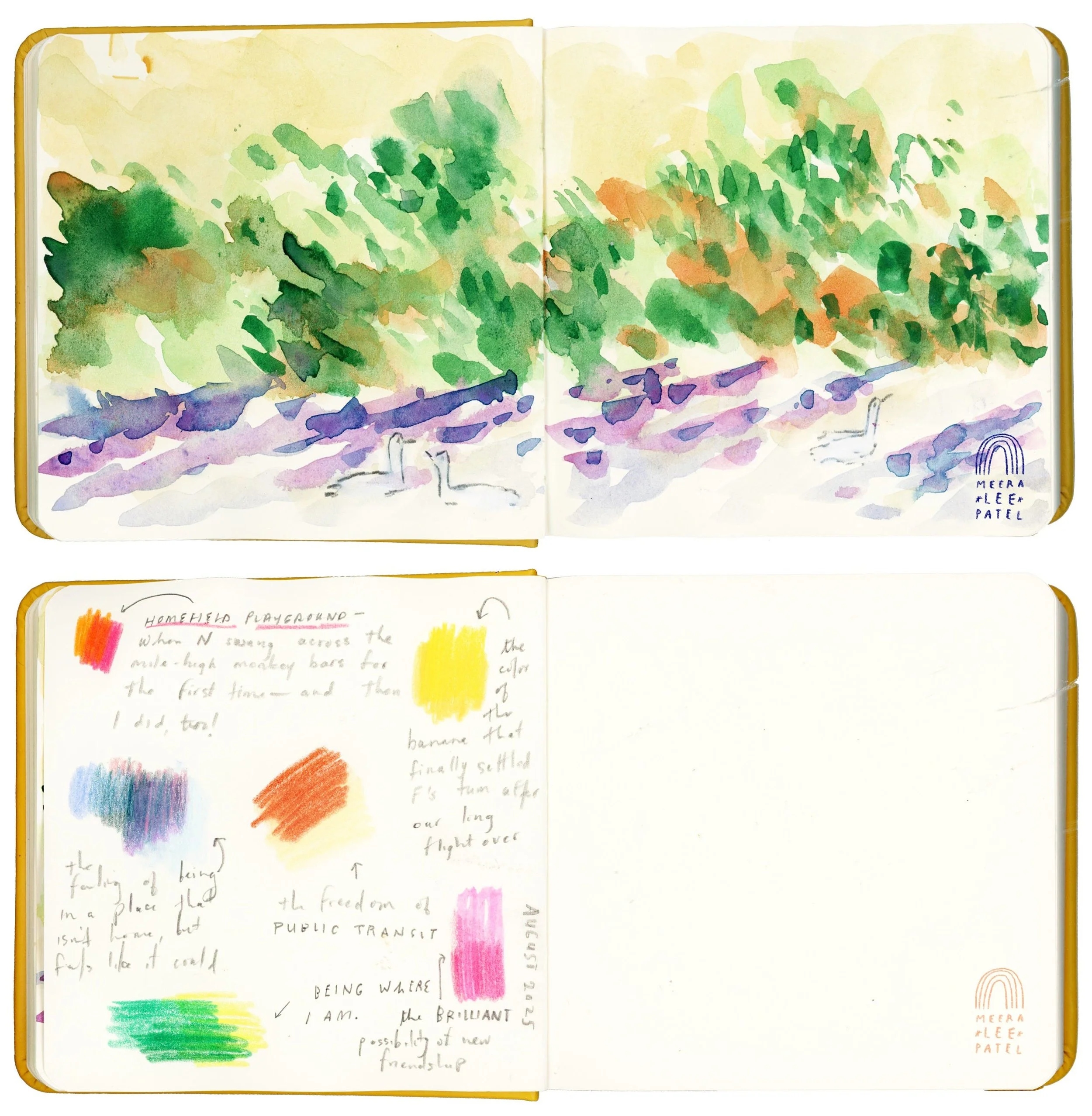
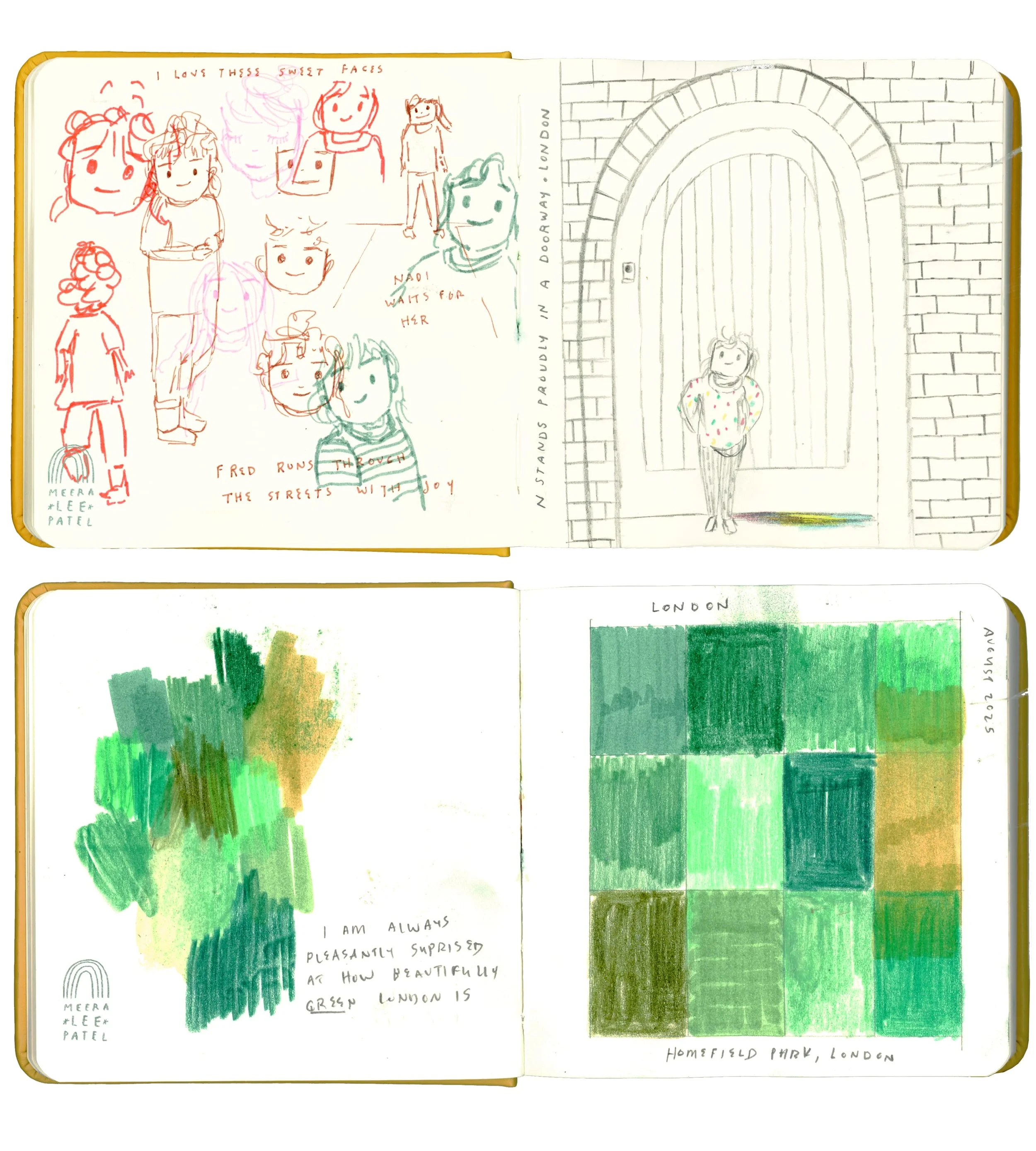
A few sketchbook pages from my time in London, including (in order): St. James’ park, colors as memories, the girls walking to Homefield Park, N in front of a cobbled doorway, and the greens of London.

London sketchbook (2025)

London sketchbook (2025)

FRIDAY

Starting here, what do you want to remember?
How sunlight creeps along a shining floor?
What scent of old wood hovers, what softened
sound from outside fills the air?

Will you ever bring a better gift for the world
than the breathing respect that you carry
wherever you go right now? Are you waiting
for time to show you some better thoughts?

When you turn around, starting here, lift this
new glimpse that you found; carry into evening
all that you want from this day. This interval you spent
reading or hearing this, keep it for life –

What can anyone give you greater than now,
starting here, right in this room, when you turn around?

—You Reading This, Be Ready by William Stafford


A year ago, these were the five things I most wanted to remember:

Dear Somebody: I am not a machine. (September 6, 2024)
Dear Somebody: Losing a penguin. (September 20, 2024)


See you next week!

xx,

M


To sign up for my weekly newsletter, Dear Somebody, please subscribe here.
In Life, Sketchbook Tags Sketchbook, Traveling, Travel, London, Parenting, Parenthood, Tate Modern, Start Where You Are, Ben Kweller, William Stafford
Comment

Dear Somebody: On this side of the lake.

July 25, 2025

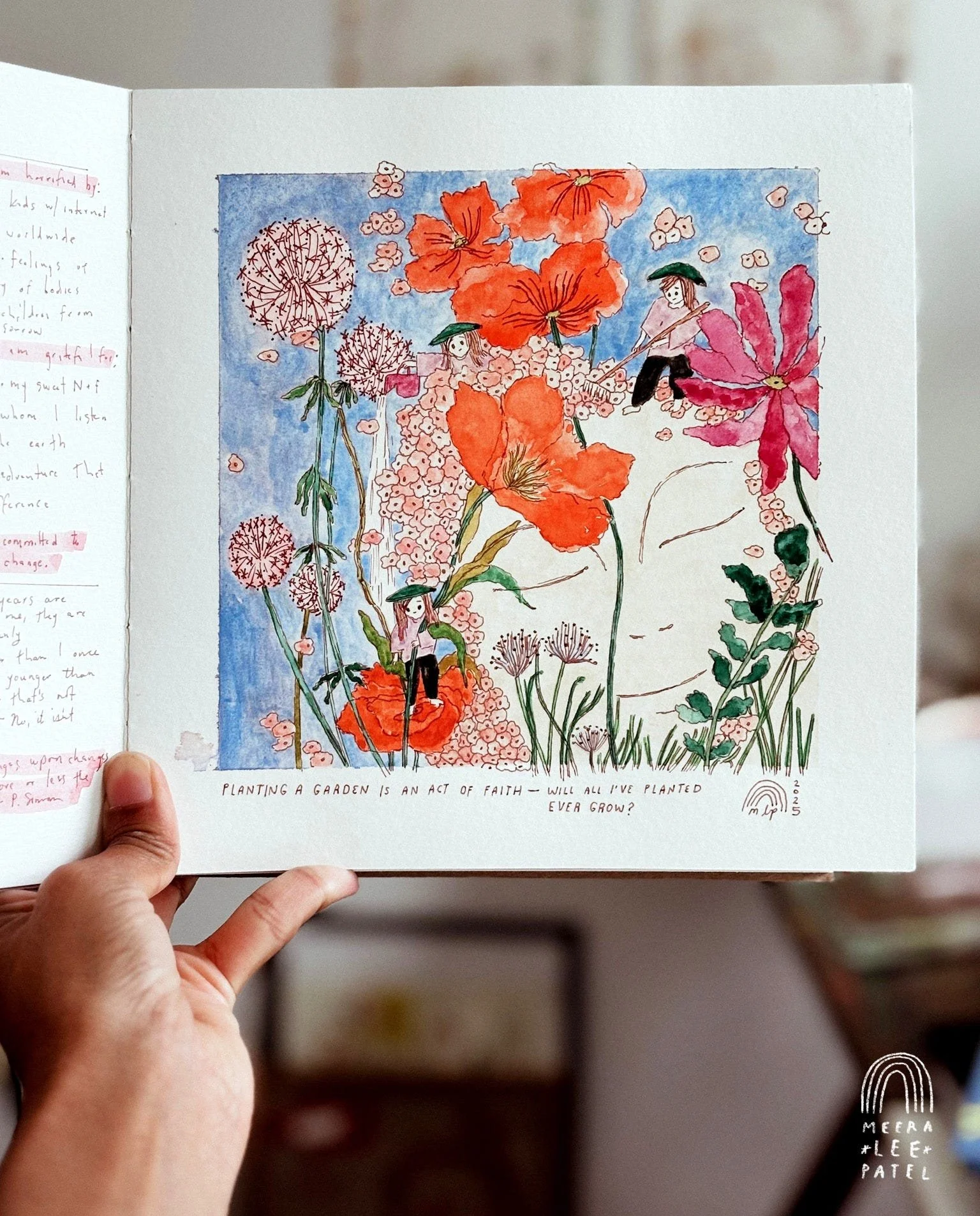
Planting a Garden (sketchbook, 2025)

Yesterday, I wrote to my representatives and senator requesting we shut the Everglades detention camps—you can, too.

A year from now, here are five things from this week that I'd like to remember:

MONDAY 

Lake Michigan on the Milwaukee side (2025)

We pile into the car evenly—three children and three adults, a dozen books and crayons shoved into backpacks, grocery bags of assorted snacks. We sing songs and have nonsensical conversations; we count how many hours, then minutes, there are left. W cries from the numbness that settles into her unused limbs, F cries that my hand is too far away to hold. From her perch in the third row, N watches with detached amusement. Nearly seven hours later, we arrive in Milwaukee. Though K and I have been friends for 30 years now, this trip together with our young children is our first.

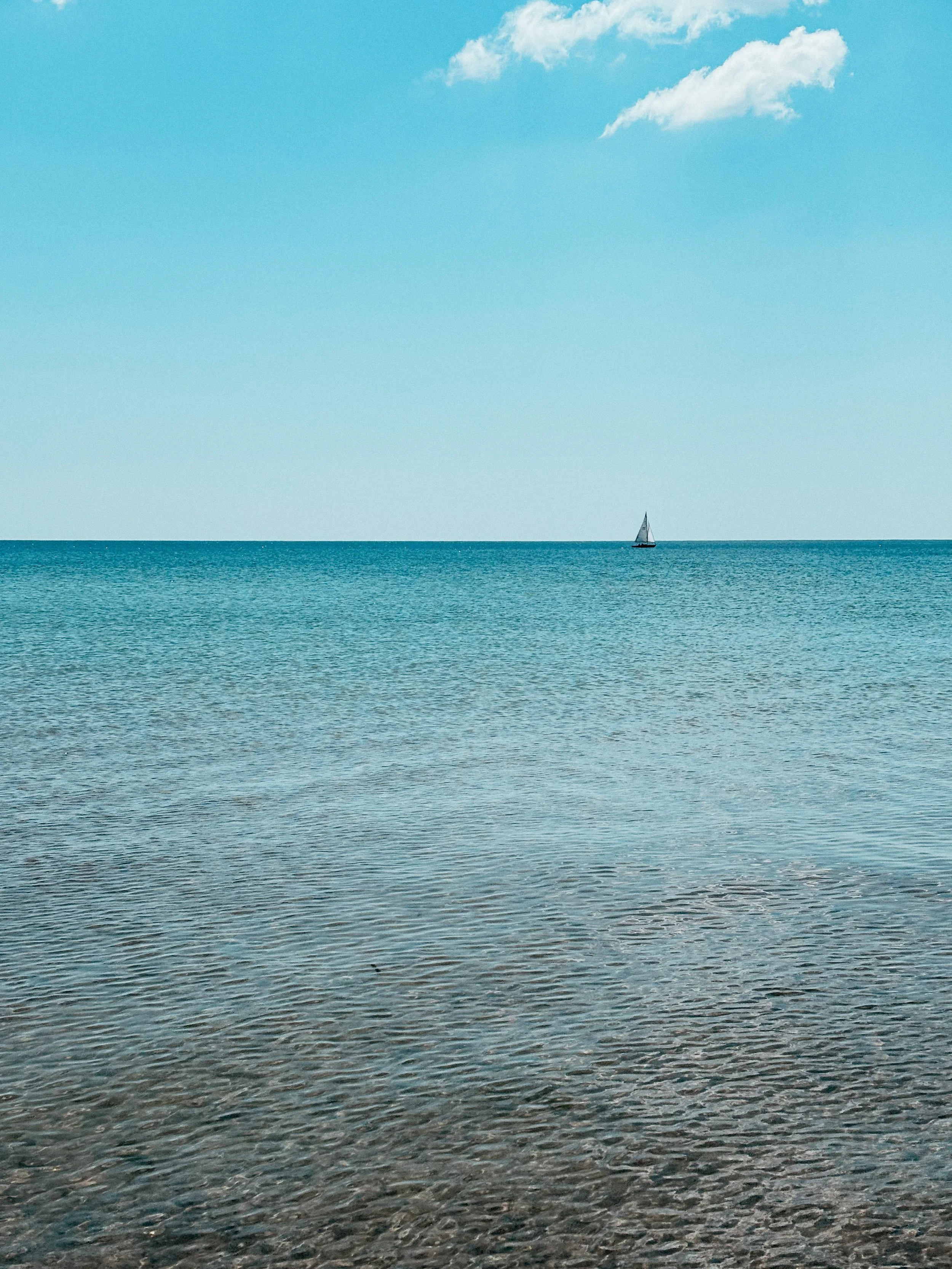
After unpacking and settling in, we feed the restless children and tuck them in. The next morning, we head to the beach. On this side of the lake, the cold water is clear. I wade in after N and look down at my toes. Though they are two feet below water, I find them easily. I don’t know if the water is clean, but I pretend it is, the transparency of it inviting me to look more closely. My toes curve over hundreds of stones, mostly Basalt and Septarian, smoothed over hundreds of years in the sea. Each one is the perfect shape. It’s easy for me to love—to seek out, even, the blemishes in natural materials. It’s much harder for me to accept the flaws in people, the flaws in myself—but I am working on it. I look for Yooperlites, but find none. 

The morning passes easily. The sun is hot; the lake is cold. The girls oscillate between joy, fatigue, and hunger. N and I build a sand castle; F knocks it down. W has a qualm; no one knows what it is. The children cry and then move on. We do, too. When it’s time to pack up and head home for lunch, all three girls protest, having fallen in love with the lake. My heart is close to bursting, for all I want is for my girls to love the water, themselves, and each other. We’ll come back tomorrow, we promise, brushing the sand from their bodies. On this side of the lake, multiple friendships are forming. 

On the deck of our rental house, I hang up our wet things. Our three girls sprawl over the wooden slats and eat. It’s odd to see how much F and W resemble the younger versions of K and I—how these incarnates will have their own chance for a lifetime of friendship with each other. How N, maybe, will look after them the way my own sister does. Long car rides, conversations late into the night. Tears, arguments, the inevitable periods of silence. The first phone call after. The acceptance of each others’ flaws. I hope they will take turns holding on and letting go, but mostly, I hope, they’ll spend their time making each other feel known. 

We spend a few more days at the lake. Our three girls play and chatter, sometimes together, sometimes apart. Like the stones I reach for, each is strange and wonderful. We build more sand castles, and this time, it’s the water that knocks them down. On this side of the lake, we don’t mind, because the water teaches us about friendship: it ebbs and flows, but always, in the end, it goes on.

TUESDAY

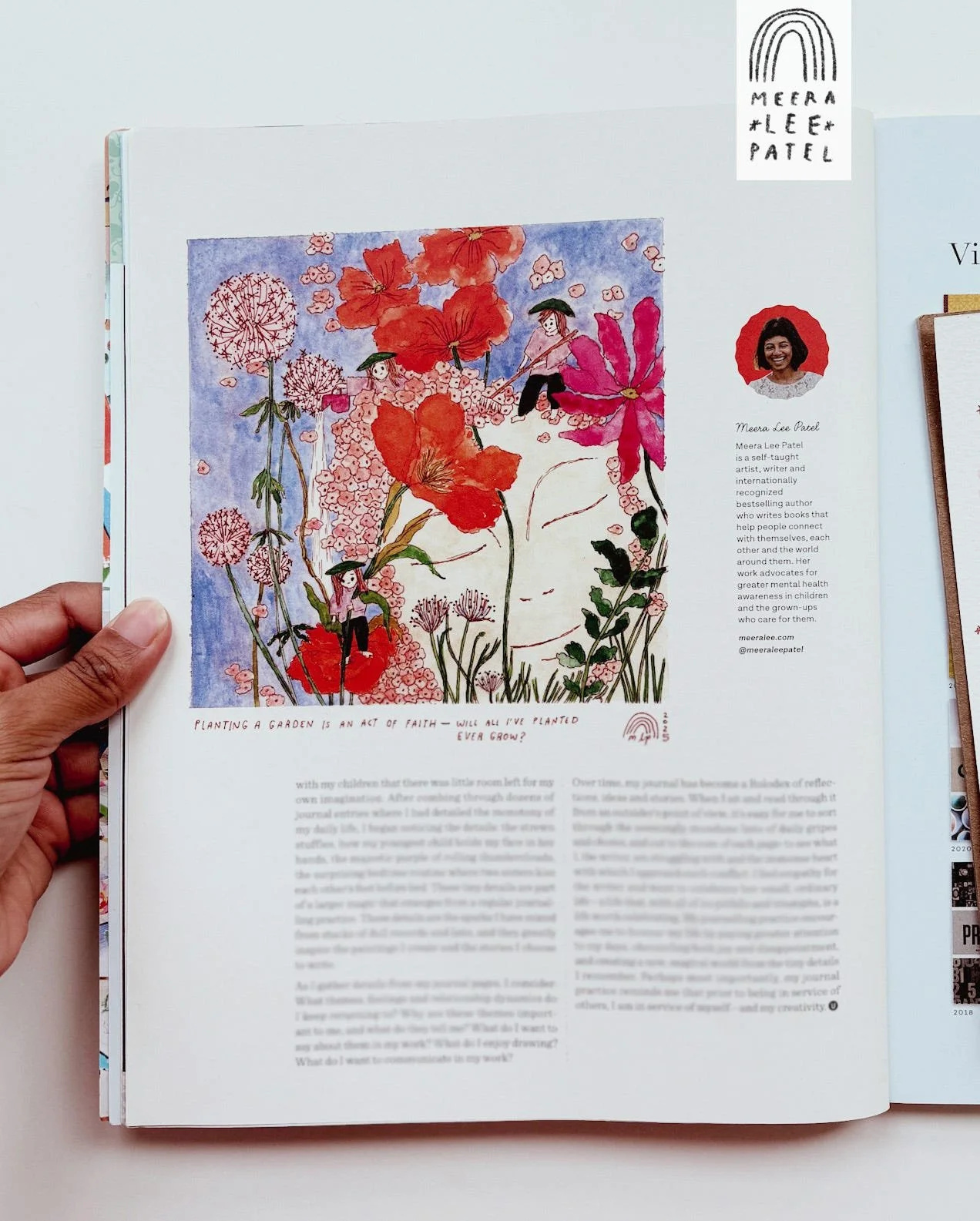
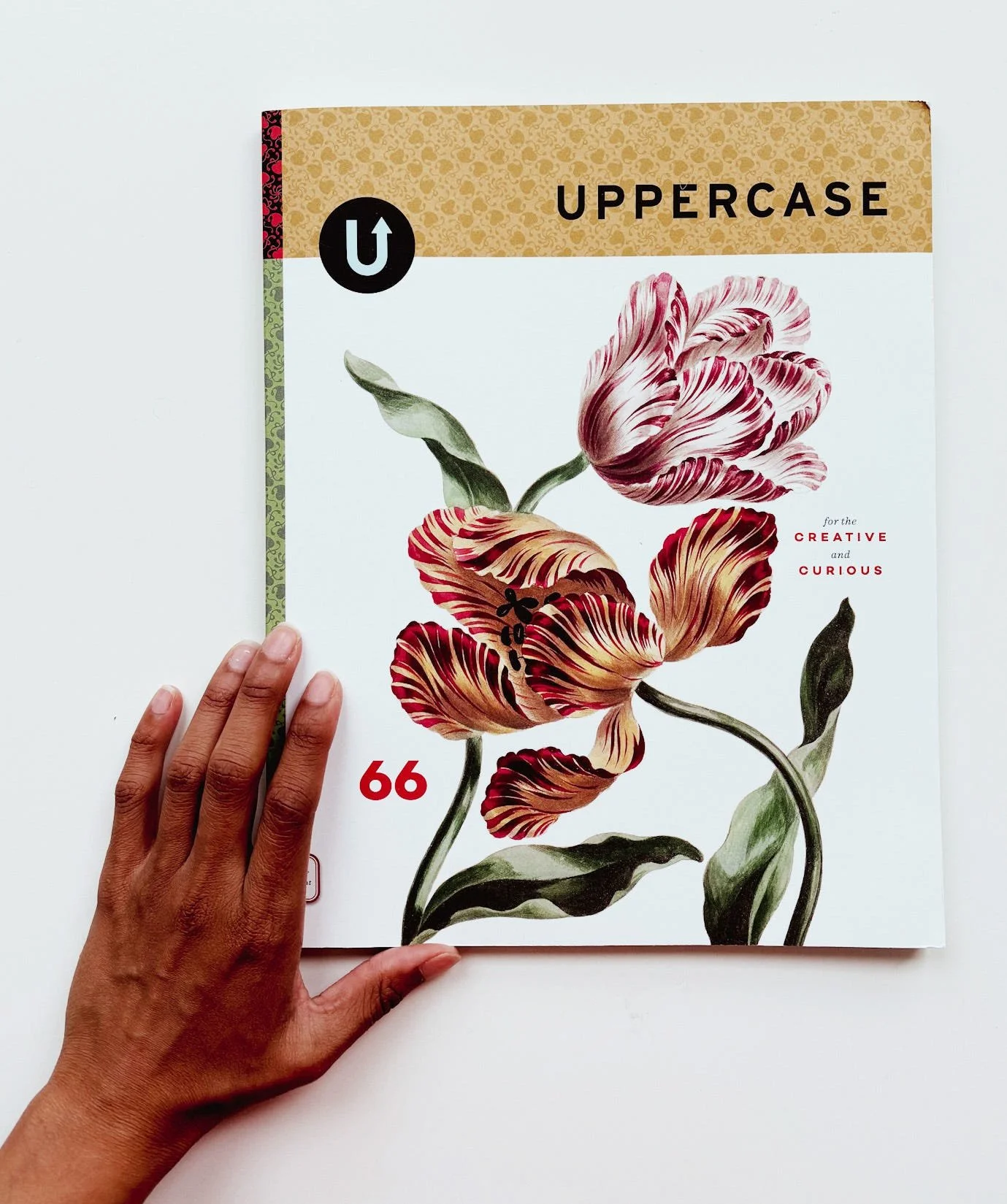
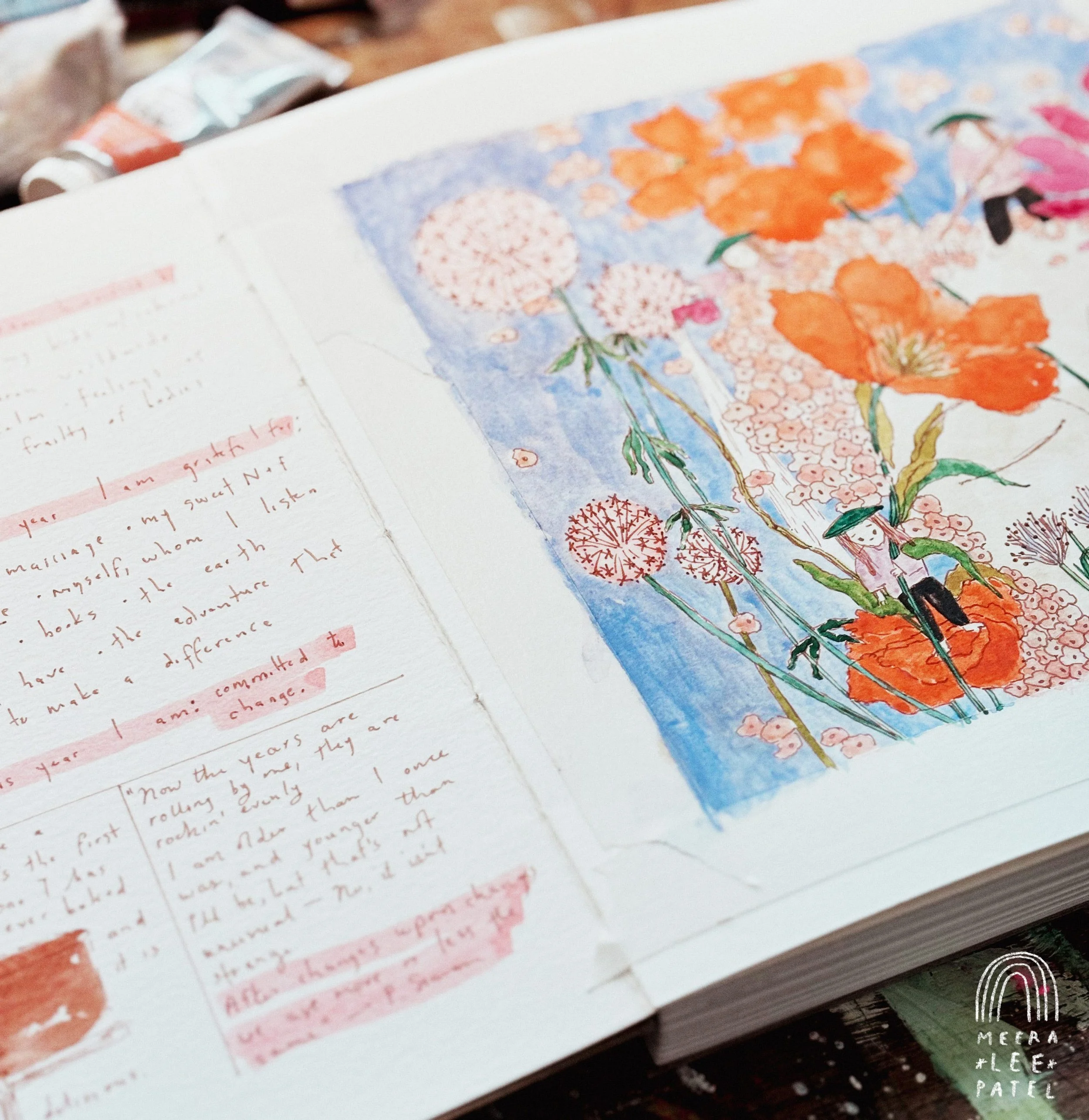
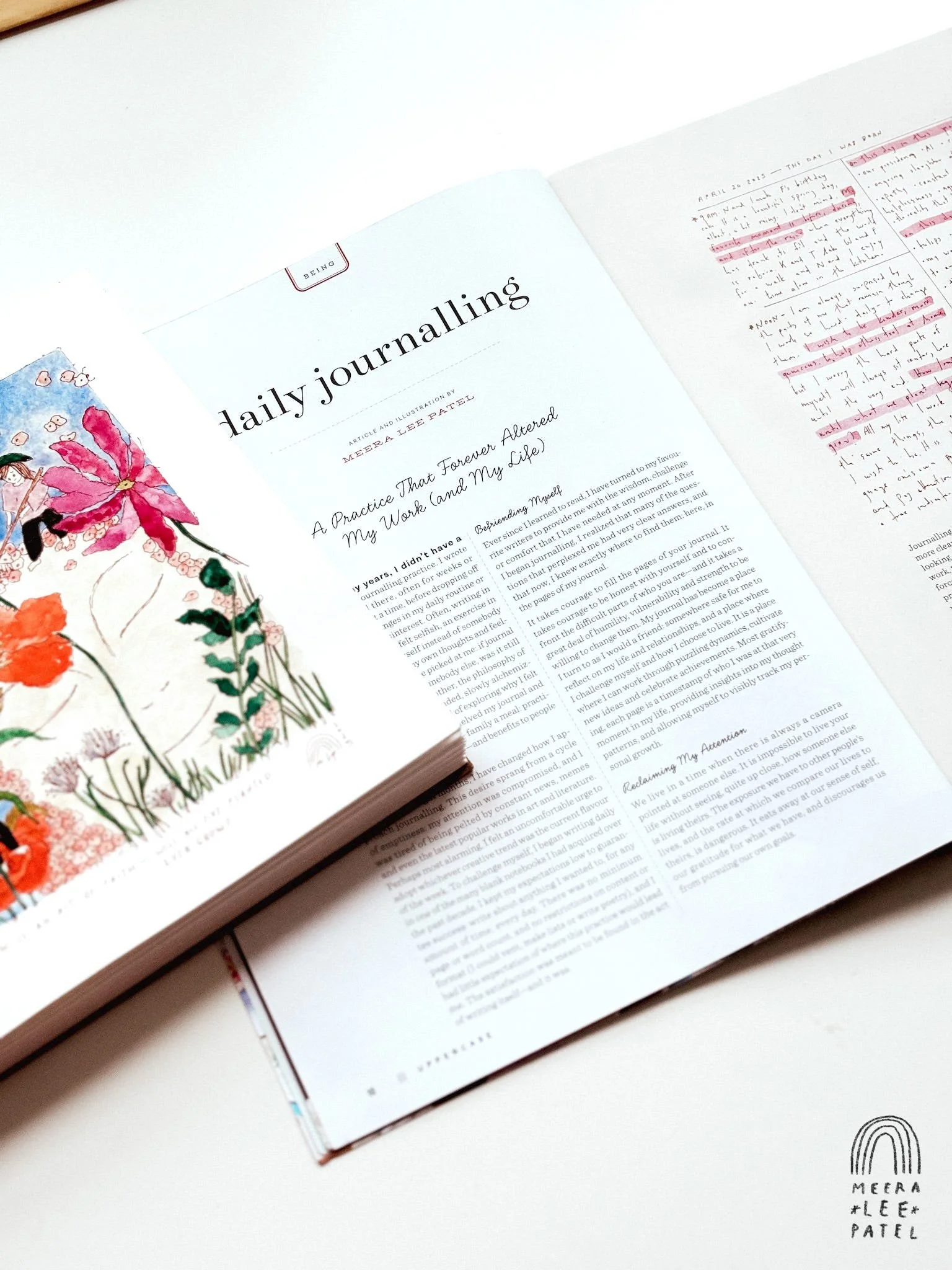
For Issue 66 of Uppercase Magazine, I wrote about my recently revived journaling practice, and the effects it’s made on my life and creative work.

A photo of my latest essay for Uppercase Magazine on daily journalling

A photo of my latest essay for Uppercase Magazine (2025)

Issue 66 of Uppercase Magazine (2025)

“Over the past 8 months, I’ve changed how I approach journaling. This desire sprang from a cycle of emptiness: I found my attention was compromised, tired of being pelted by constant news, memes, and even the latest popular works in art and literature. Perhaps most alarming, I felt an uncomfortable urge to adopt whichever creative trend was flavor of the week. To challenge myself, I began writing daily in one of the many blank notebooks I’ve acquired over the past decade. I kept my expectations low to guarantee success: write about anything I want, for any amount of time, every day. There was no minimum page or word count (I’d fallen out of the morning pages routine years ago), no restrictions on content or format (I could vent, make lists, or write poetry), and I had little expectation of where this practice would lead me. The satisfaction was meant to be found in the act of writing itself—and it was.” 

—from Daily Journalling: A Practice that Forever Altered My Work (and My Life) for Issue 66 of Uppercase Magazine

WEDNESDAY

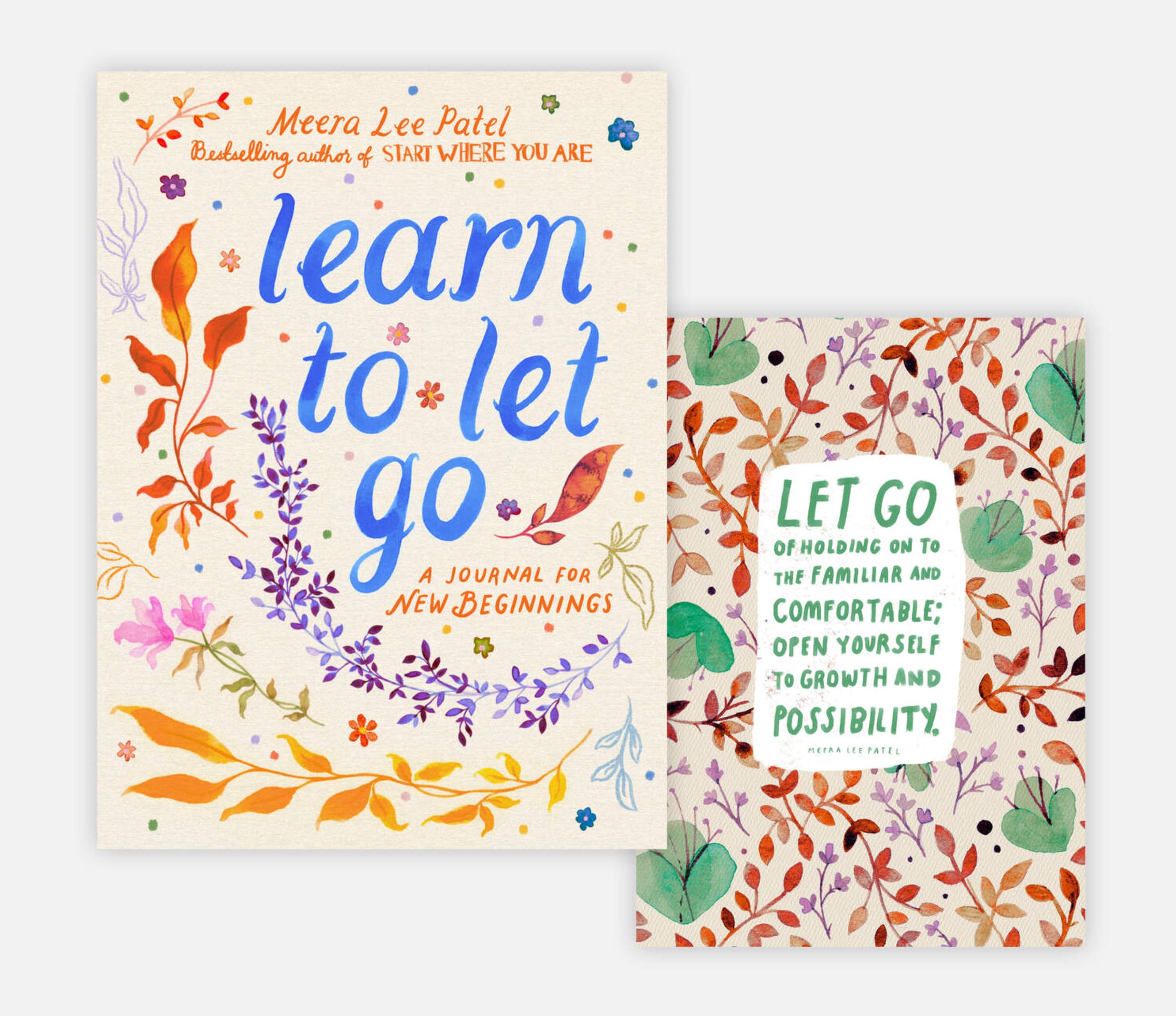
I’m excited to announce that now, when you pre-order Learn to Let Go through BuyOlympia, you’ll receive this limited-edition LETTING GO art print, too! Get yours here—and consider ordering a few for some friends, too. We could all use a little encouragement in the places we feel stuck. 

Many thanks to my friends at BuyOlympia for putting this together.

THURSDAY

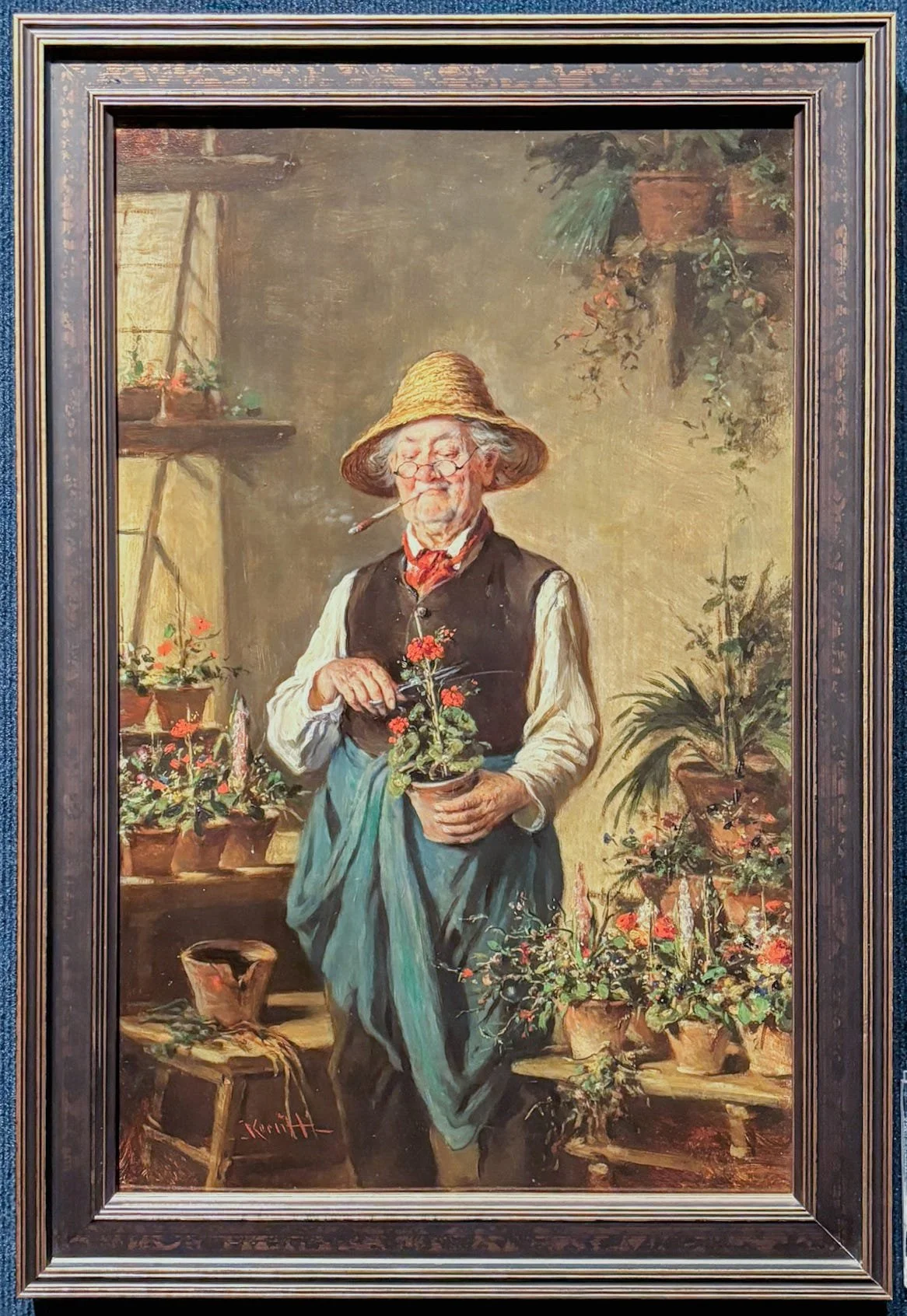
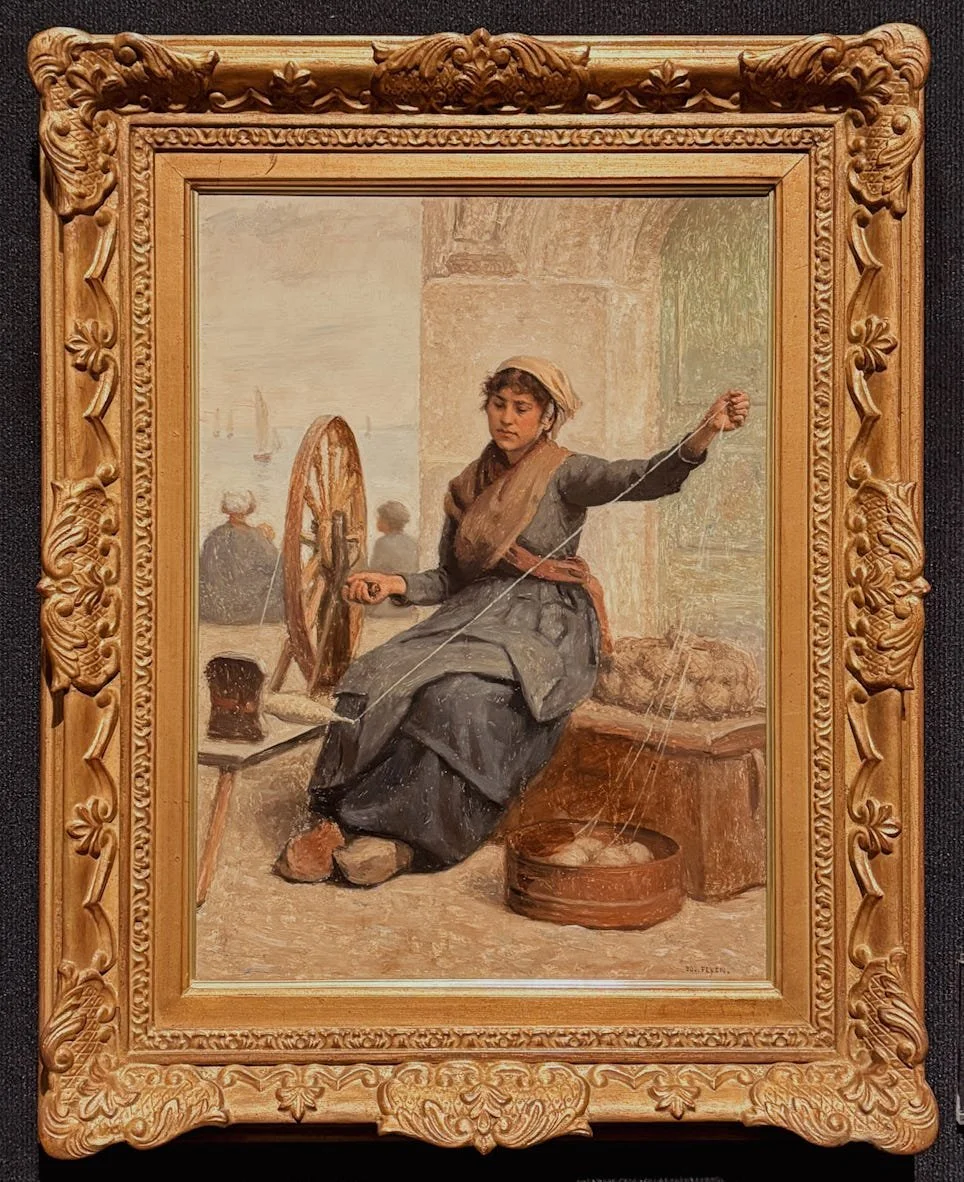
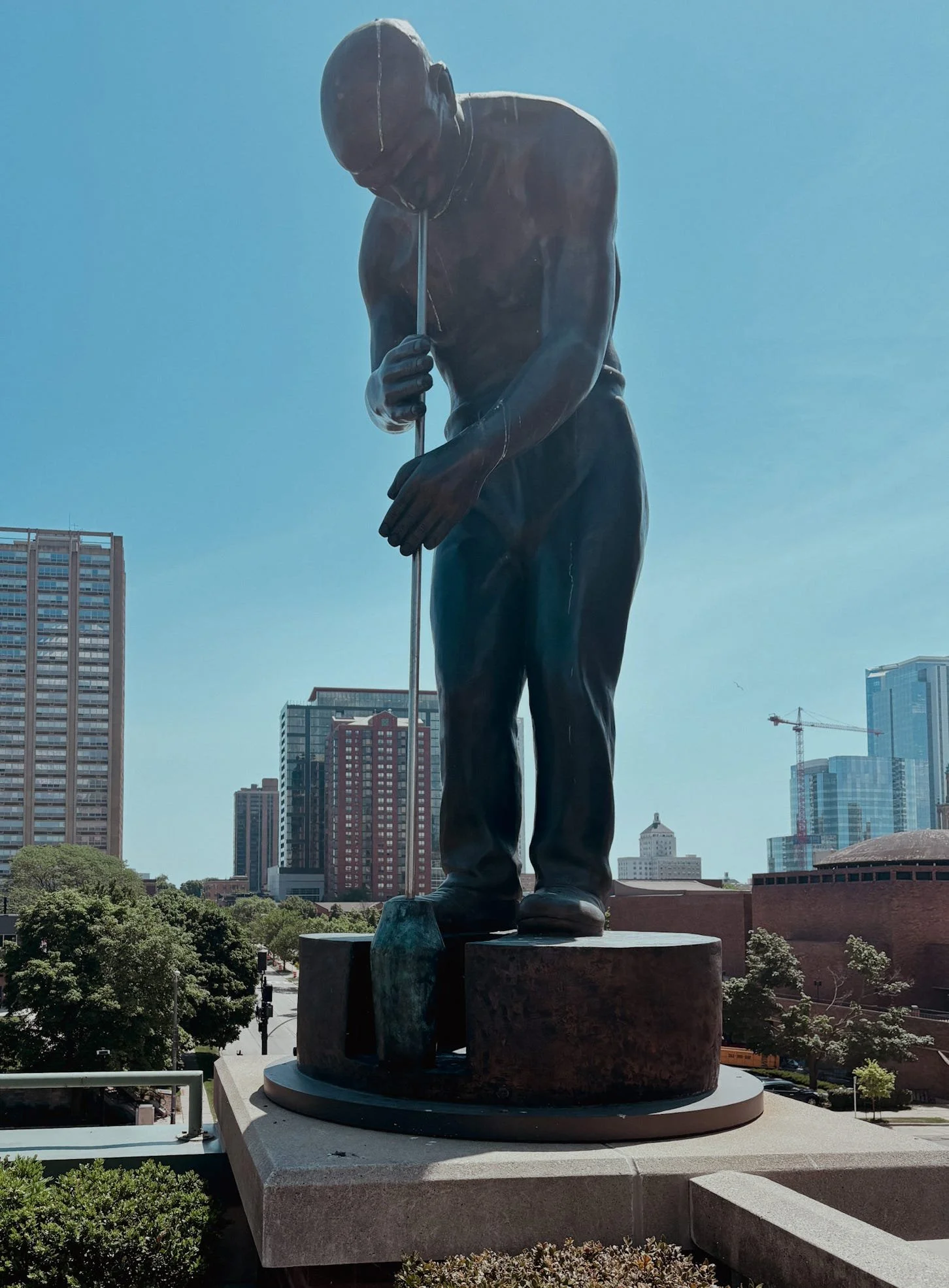
While in Milwaukee, we spend time at the Grohmann Museum. Surprisingly, it is a place where all four of us fall in love. The museum showcases the evolution of labor and work throughout history and it was easy to see that nearly everything is possible using the two hands in front of me. Writing about it now, I see—again, quite easily, how much good it would do for me to remember this. 

I was surprised by how N gravitated towards the depictions of household labor: how she seemed enchanted by skilled trade as much as I am. Some of our favorite pieces showed ordinary people transforming ordinary materials into something more: cork shaped into stoppers, glass blown into bottles, chemicals mixed into medicines. 

The Happy Gardener by Hermann Kem (oil on panel)

The Breton Spinner by Eugene Feyen (oil on panel)

Glass Blower (artist unknown) (2025)

Although I’ve always been a crafts person, age encourages me to learn as many skills as I can—to be less reliant on corporations for my needs, to spend more time creating the objects that surround me. They are usually less beautiful, and sometimes less useful, but they mean more—and these days, meaning goes a long way. 

FRIDAY

Tomorrow when the farm boys find this
freak of nature, they will wrap his body
in newspaper and carry him to the museum.

But tonight he is alive and in the north
field with his mother. It is a perfect
summer evening: the moon rising over
the orchard, the wind in the grass.
And as he stares into the sky, there
are twice as many stars as usual.

—The Two-headed Calf by Laura Gilpin

See you next week!

xx,

M


To sign up for my weekly newsletter, Dear Somebody, please subscribe here.
In Sketchbook Tags Sketchbook, Lake Michigan, Parenting, Parenthood, Uppercase Magazine, Learn to Let Go, BuyOlympia, Grohmann Museum, Hermann Kem, Eugene Feyen, Laura Gilpin
Comment

Dear Somebody: When all is quiet.

June 20, 2025

A recent sketchbook page (watercolor and ink, 2025)

A year from now, here are five things from this week that I'd like to remember:

MONDAY 

I sit on the front porch eating a sandwich slapped together with whatever is left in the fridge. I need to go grocery shopping, I need to unpack my kids’ summer clothes, I need to clean the kitchen, I need to take a shower. I’ve been working nonstop towards my current picture book deadline. I’m rewriting a manuscript I care deeply about, I have a new journal coming out this fall, I’ve begun strength training. This fall, I’m determined to learn how to sew. There is so much I want to make, but I am so slow. One day flickers into the next, and then the next, and still, it feels like I’m going nowhere.

My friend Dan Blank calls me to catch up. I confess, with embarrassment, that I don’t have very much to share: life is quiet, almost entirely consumed by my young children, and work is, too. It’s been a few years since I’ve quit the game of social media, and my world feels much smaller because of it. Quieter. I don’t receive many work inquiries because I don’t share as much online. No one can hire you if they don’t know you exist, I tell myself before emailing editors and art directors to remind them. I hold my breath and wait; I listen to the familiar song of crickets. Everyone I know is worried about work, so when my ego flares up in front of me, I stamp it out. As any artist knows, the ongoing quiet can feel suffocating. It plays tricks on you, messing with your sense of worth. It causes you to lose sight of what’s important. It is strong enough to crush your spirit. 

When I hang up the phone, I sit still, sifting through this quiet. I feel ashamed of my embarrassment, for several reasons I can’t separate, quite possibly because there is no separating them. Continuing my career at the same pace, with the same fervor postpartum was simply not a viable option for me. I made conscious decisions to restructure my career and life in a way that made healthier, more meaningful sense. Yet, at times, I feel shame for not barreling ahead at the same pace—for not being able to, for not wanting to, for not wringing myself out in order to simply keep going. Though I know it’s a symptom of the culture we live in, occasionally, I still feel shame for how much I’ve changed. 

Though lonely, the past few years have been good for my brain. Instead of documenting every step of my process for social media, I sink into my craft, remembering why this is the life I chose for myself. I’ve grown and solidified. I am more capable, I require less from others. And inside me, life continues to hum steadily. Joyfully. I feel far more grounded in my creative values. I’m proud of the work I make, however slow the progress is. I’m more present with my children, who, for now, still believe that their inherent worth isn’t dependent on what or how much they produce. I’m beginning to believe I’m a good mother. 

On the other side of worry, I divert my energy towards developing a trust between myself, my work, and the world: things will work out. I can move towards my goals andbelieve they will be achieved. I can build creative growth and hope. I can feel forgotten and be excited to one day reemerge. I can choose to feel good—and the more I do, the more meaningful my subsequent choices are.

Back on the porch, I chew slowly. A small breeze comes along and my napkin flutters, a thin pair of two-ply wings. The tulip poplar tree across from our front yard has grown so large in the few years I’ve lived here. Now, green leaves burst forth, invigorated by our recent rains. The branches stretch towards me like the future does, like the past used to before I closed the door on it. In a few hours, my kids will thunder down these sidewalks, begging me to jump rope with them. We’ll walk down to the nearby bridge, press our faces through the windows in the cement walls, and wait for the city trains to rush by. It doesn’t matter if the conductor looks up or not; we always wave.

On this street lined with grandparents, grandchildren, and shiny blue grackles, there isn’t a single soul who cares what I look like or what my next achievement is, including me. I love living on this street instead of on social media, so I give myself over to the silence. I am grateful for my sandwich, the porch I sit on, and every small, quiet breeze.

TUESDAY

“In its simplest form, a whale’s death becomes a source of life for years beyond its time. It is a transformation that turns death into life on an almost incomprehensible scale. Beyond its biological importance, the concept of a whale fall also holds a poetic significance. It reflects themes of loss and renewal, reminding us that even in its most tragic forms, what’s happened in the past can sustain life in the present in ways we are only beginning to understand.

This haunting question reframed my understanding of land and sea as intertwined repositories of history. The ocean, like the soil, bears witness to lives lost and transformed. It warranted asking: What happens to our bodies, to their essence, when they are claimed by the ocean? How do we reconcile the ocean as both a site of loss and a source of life?”

—Omnia Said on contemporary American artist Ellen Gallagher’s Accidental Records series in Atmos

WEDNESDAY

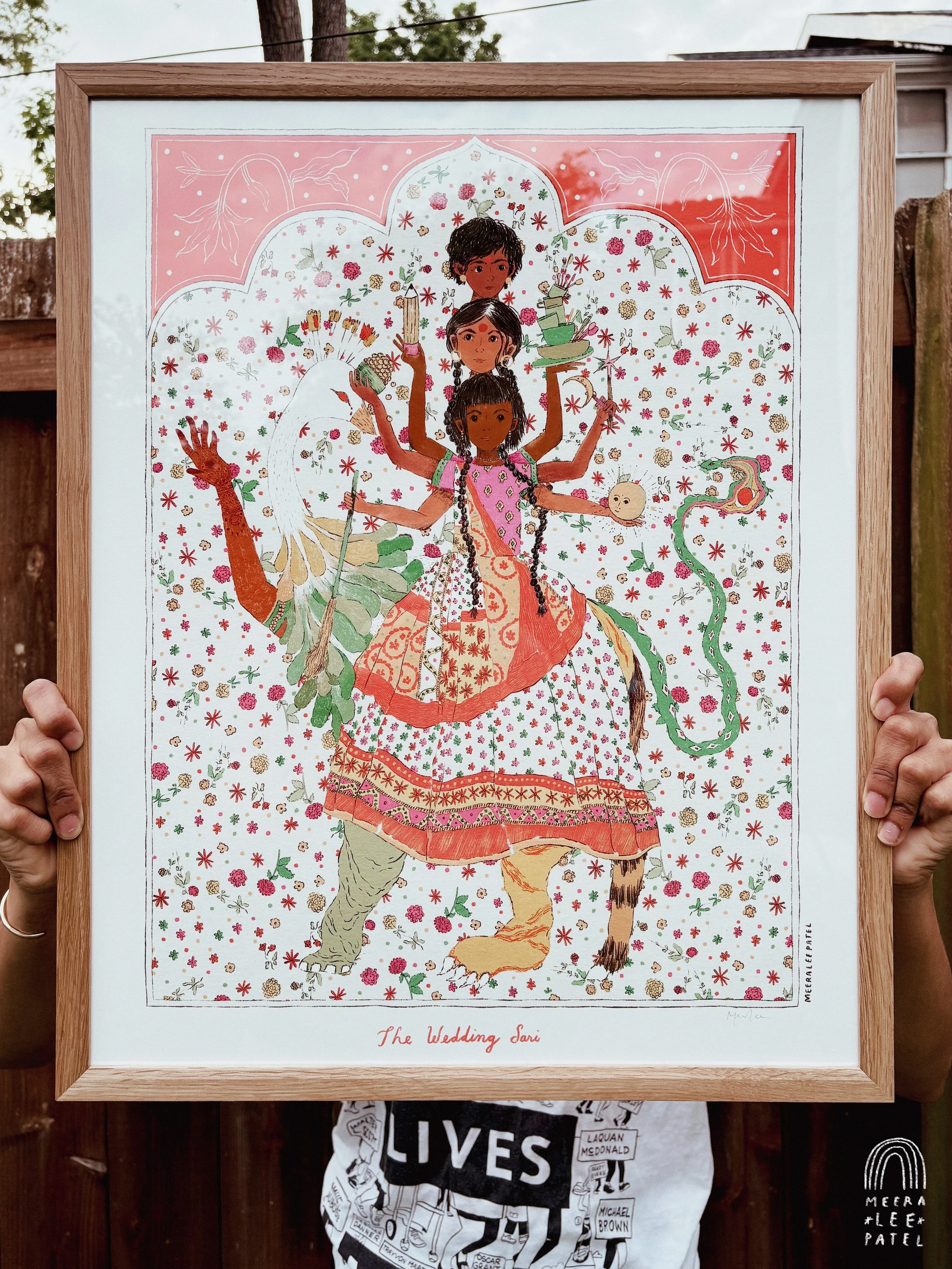
The extremely unassuming frame I ordered for The Wedding Sari finally came, so I framed this piece and am shipping it to my aunt this week. The Wedding Sari is an essay and illustration I created for my column, Being, in Issue #65 of Uppercase Magazine. It explores the history of the Gujarati panetar, or wedding sari, and the one I wore on my wedding day, which was previously also worn by my mother and her older sister, my aunt.

Three prints of this piece exist: one hangs in my home, one hangs in my mother’s home, and now, one is somewhere on its way to my aunt’s. An excerpt of my column was included in a past letter. 

THURSDAY

I’m reading: Long Way Down by Jason Reynolds, an excellent novel-in-verse about the choices we make and the choices we’re taught to make; I finished listening to Solito by Javier Zamora, a heartbreaking tale of a young child’s migration to the States; I began The One and Only Ivan by Katherine Applegate; I began My Friends by Hisham Matar. 


FRIDAY

Now we will count to twelve
and we will all keep still
for once on the face of the earth,
let’s not speak in any language;
let’s stop for a second,
and not move our arms so much.

It would be an exotic moment
without rush, without engines;
we would all be together
in a sudden strangeness.

Fishermen in the cold sea
would not harm whales
and the man gathering salt
would not look at his hurt hands.

Those who prepare green wars,
wars with gas, wars with fire,
victories with no survivors,
would put on clean clothes
and walk about with their brothers
in the shade, doing nothing.

What I want should not be confused
with total inactivity.
Life is what it is about;
I want no truck with death.

If we were not so single-minded
about keeping our lives moving,
and for once could do nothing,
perhaps a huge silence
might interrupt this sadness
of never understanding ourselves
and of threatening ourselves with death.
Perhaps the earth can teach us
as when everything seems dead
and later proves to be alive.

Now I’ll count up to twelve
and you keep quiet and I will go.

—Keeping Quiet by Pablo Neruda

See you next week!

xx,

M


To sign up for my weekly newsletter, Dear Somebody, please subscribe here.
In Sketchbook, Process Tags Sketchbook, Dan Blank, Process, Ellen Gallagher, Uppercase Magazine, Jason Reynolds, Javier Zamora, Katherine Applegate, Hisham Matar, Pablo Neruda
Comment

Dear Somebody: Rules to live by.

May 16, 2025

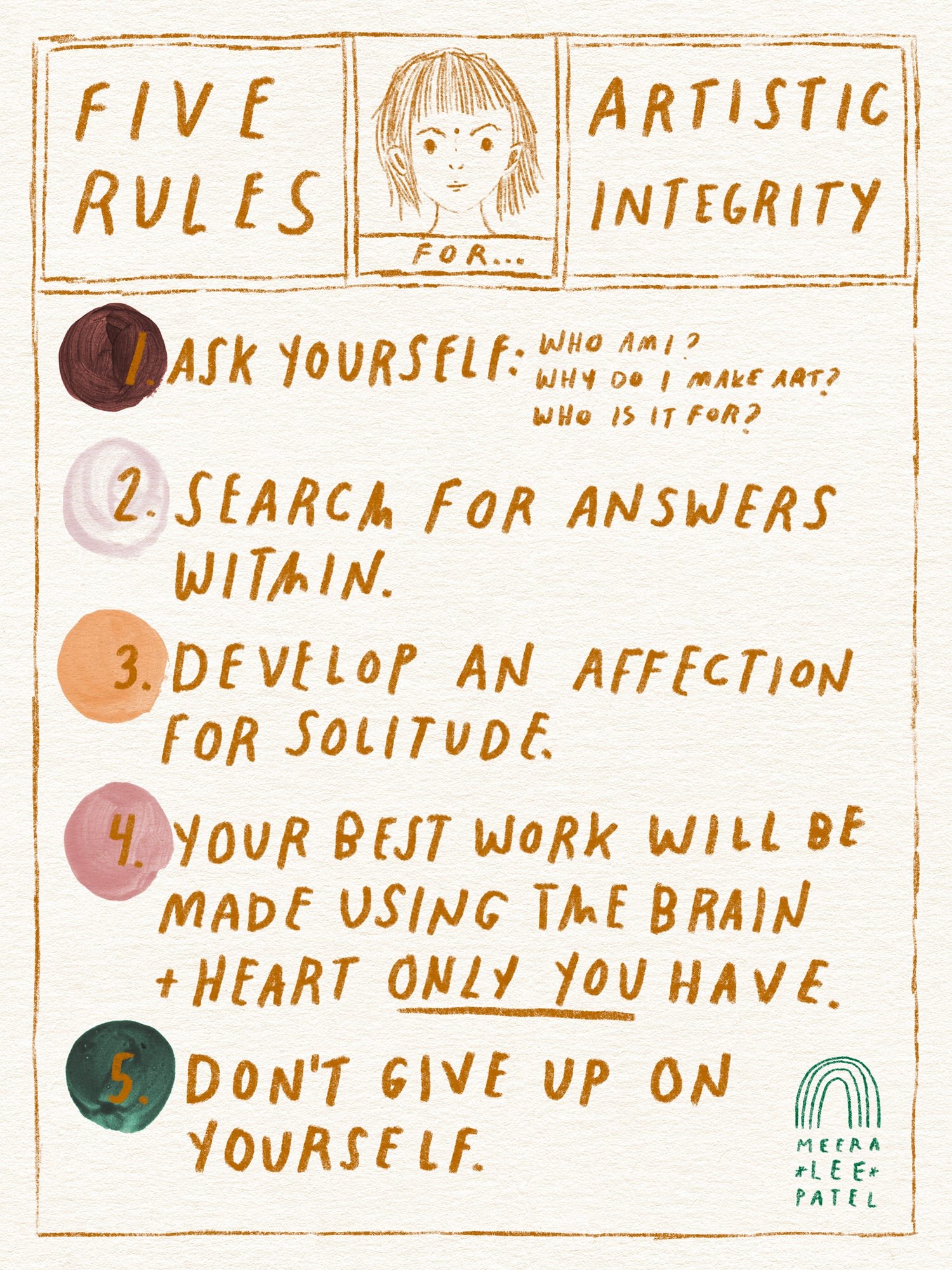
Five Rules for Artistic Integrity for RULES TO LIVE BY Zine (2025)

A year from now, here are five things from this week that I'd like to remember:

MONDAY 

As a mother, my priority isn’t to be liked by my children. I want to be liked by them, and I hope that hundreds of moons from now, when they don’t have to call or visit or care, they still choose to—but it isn’t a need, the way their safety or ability to respect themselves is. 

My actions don’t waver. They march to the tune of my priorities, even as my heart falters—even as my mind, alert to my own fallibility, nicks me like a sharpened blade. Ten years from now, when they have friendships and interests and independence, will my children still want to be near me? 

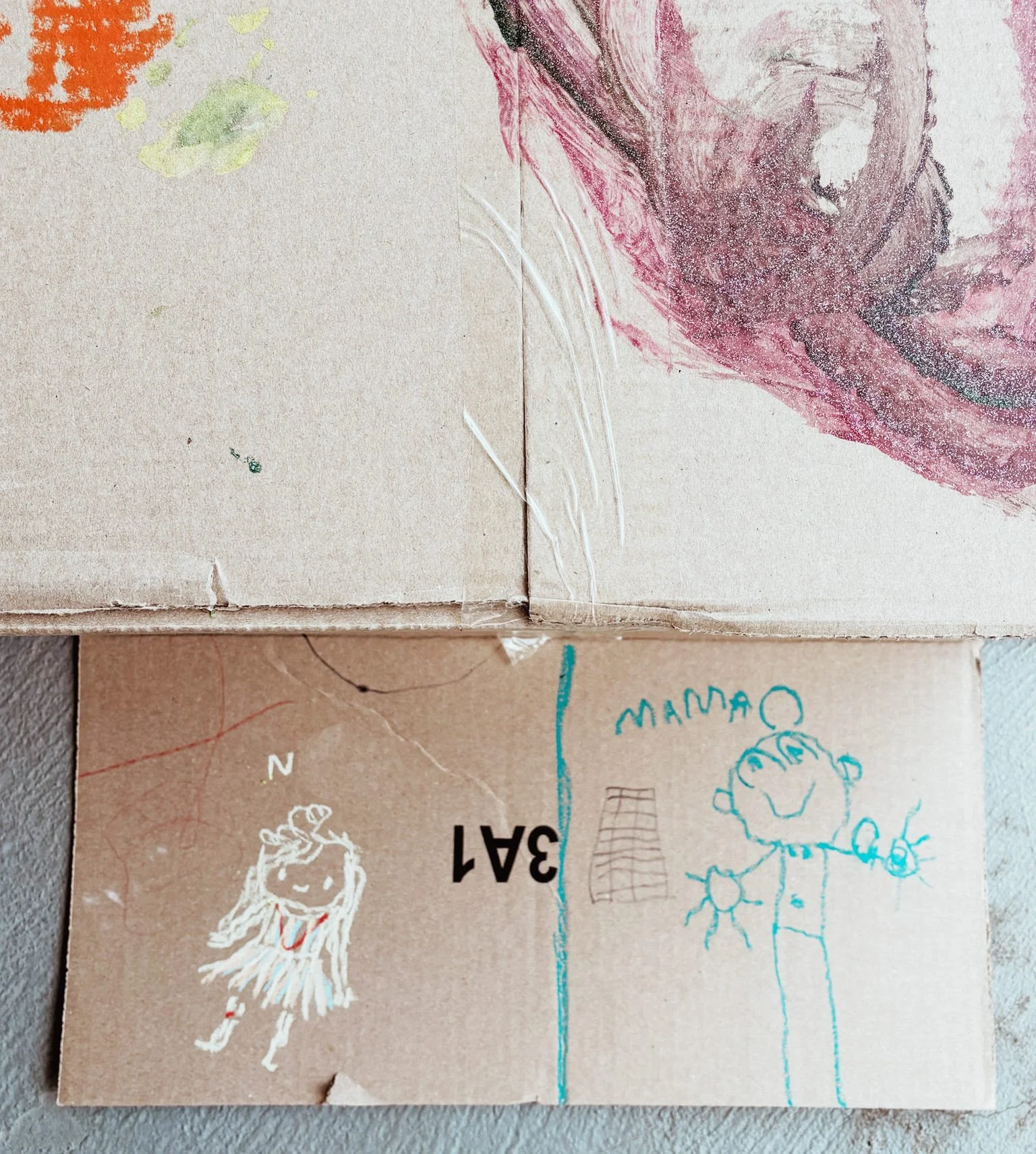
Yesterday, N and I sit outside for hours and draw: first, me on my iPad, working on final drawings for Dear Library and N in her sketchbook, working on self-portraits; then me, in my sketchbook, working on my diary comics and N on my iPad, experimenting with different brushes. Then: both of us together, concrete under our knees, squished together on the old, emerald bedsheet used to protect the porch. 

It’s quiet between us. Our work is important and we take it seriously. It is no small task turning a large cardboard box into a rocket. After some time, N breaks the silence. “Mama, you draw me and I’ll draw you,” she says, and I agree. I choose neon yellow, she chooses blue. I draw her sweet face, she draws my topknot. “I like listening to nature’s music,” N says. “And did you notice that breeze? I like drawing with you, mama. I like when it’s just us.” 

I wish I were more like the earth, who rolls along on her axis and grows her great trees and recycles her sweet air and demands nothing—not to be loved, not even to be liked, in return. I don’t know what life will be ten years from now. I don’t know who my children will become, or whether I’ll have found my road towards self-actualization. Lately, it feels like I’ve only taken wrong turns. 

Still, I am aware enough to recognize love when it’s in front of me. In this moment, it is here, on this porch. It is in this child who once lived in the belly of her mother, and upon her escape, grew into her own person who can also feel and express love. It is in her valuing of birdsong, a fresh sketchbook, and, for now, time alone with her mama. 

TUESDAY

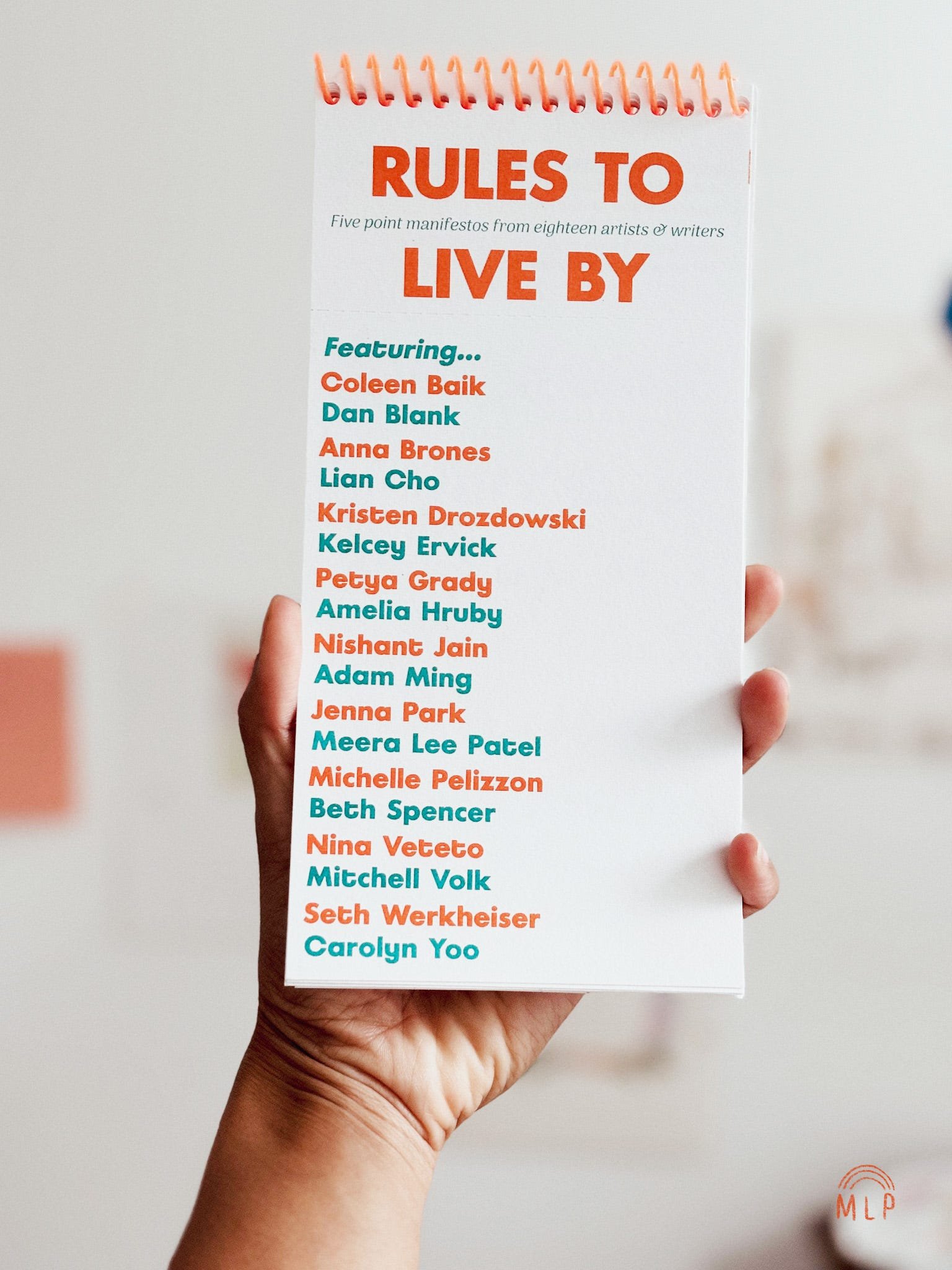
An image of Rules to Live By, a risograph zine (2025)

I was honored to contribute to the Rules to Live By zine organized by Carolyn Yoo, which is a collection of creative manifestos written by 18 fellow artists: Coleen Baik, Dan Blank, Anna Brones, Lian Cho, Kristen Drozdowski, Kelcey Ervick, Petya K. Grady, amelia hruby, Nishant Jain, Adam Ming, Jenna Park, Michelle Pellizzon Lipsitz, Beth Spencer, Nina Veteto, Mitchell Volk, and Seth Werkheiser. 

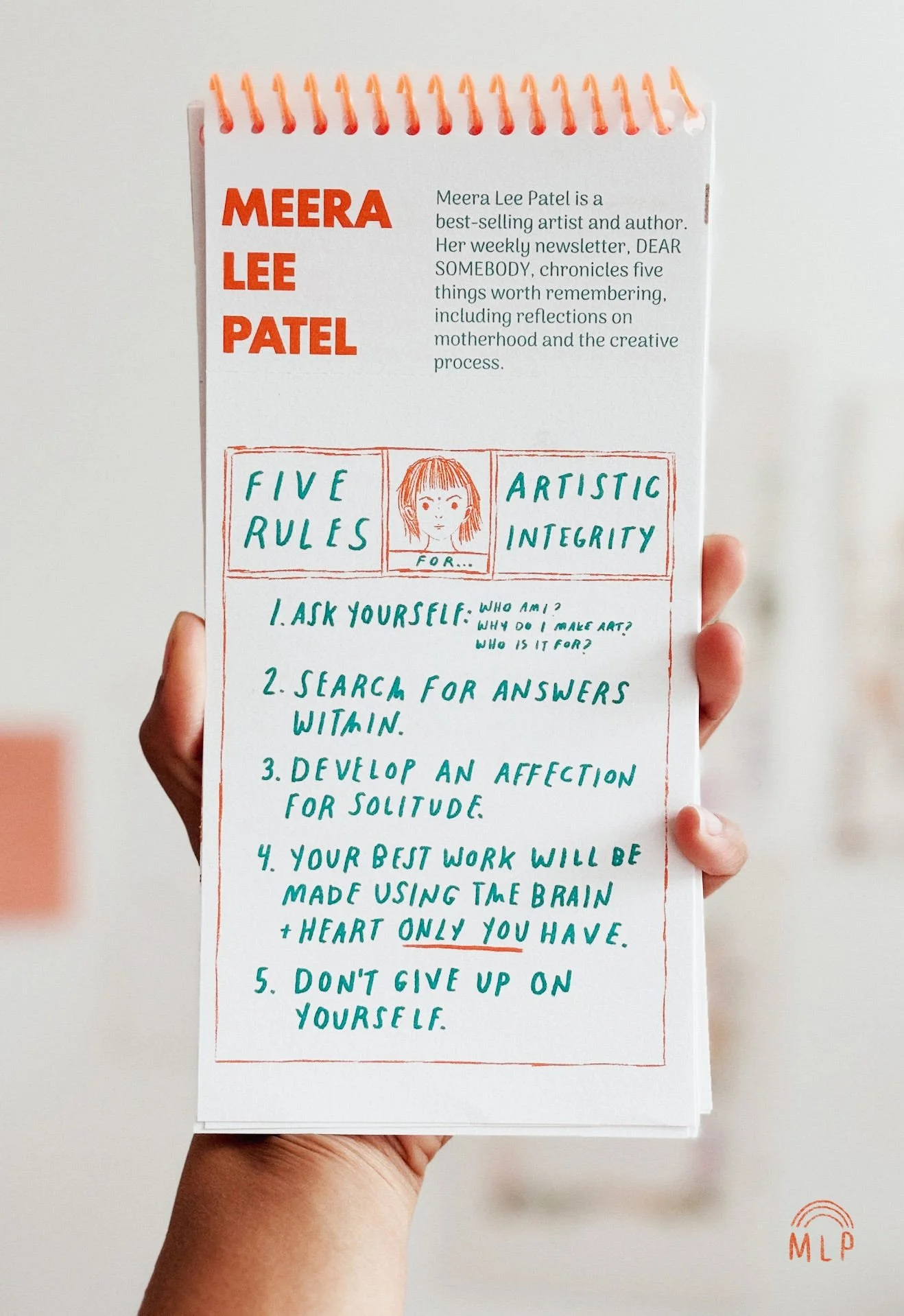
I contributed my 5 Rules for Artistic Integrity, which is something I’ve considered more deeply over the past few years as I’ve felt the consequences of living as a working artist in the age of social media:

5 Rules for Artistic Integrity by Meera Lee Patel, as part of the Rules to Live Byzine (2025)

The zine was printed, assembled, and bound by hand. Carolyn generously wrote about her entire process for making this zine, including the inspiration behind it, and several contributors wrote about their own experiences with this project:

  • Dan Blank wrote about 5 Rules for Sharing Your Creative Voice

  • Kelcey Ervick wrote about 5 Rules for Dreaming

  • Nishant Jain wrote about 5 Rules for Making Sneaky Art of Your World

  • Kristen Drozdowski wrote about 5 Rules for Creative Authenticity

  • Mitchell Volk wrote about 5 Rules for Collaborating with Yourself (and made an amazing GIF cycling through all the pages of the zine!)

Many thanks to Carolyn for including me in this thoughtful project which was a joy to consider and illustrate. 

WEDNESDAY

I was pleased to see How it Feels to Find Yourself awarded in theSkimm’s 2025 GOOD FOR YOU AWARDS as the best book for self-discovery.

I finished reading We Do Not Part by Han Kang; I started listening to Demon Copperfield by Barbara Kingsolver; I started re-reading—with a new appreciation for the beautiful writing—Tuck Everlasting by Natalie Babbitt.

I’m over my own heels for Japanese illustrator Rokuro Taniuchi’s work, which is difficult to find. I’d love to own a copy of Taniuchi Rokuro Gensouki (Shinshindo, 1981) one day. 

THURSDAY

Portraits of N and Mama (Mother’s Day 2025)

FRIDAY

We said she was a negative image of me because of her lightness.
She's light and also passage, the glory in my cortex.
Daughter, where did you get all that goddess?
Her eyes are Neruda's two dark pools at twilight.
Sometimes she's a stranger in my home because I hadn't imagined her.
Who will her daughter be?
She and I are the gradual ebb of my mother's darkness.
I unfurl the ribbon of her life, and it's a smooth long hallway, doors flung open.
Her surface is a deflection is why.
Harm on her, harm on us all.
Inside her, my grit and timbre, my reckless.

—The Daughter by Carmen Gimenez Smith

See you next week!

xx,

M


To sign up for my weekly newsletter, Dear Somebody, please subscribe here.
In Process Tags Parenting, Parenthood, DEAR LIBRARY, Sketchbook, Rules to Live By, risograph, Coleen Baik, Dan Blank, Anna Brones, Lian Cho, Kristen Drozdowski, Kelcey Ervick, Petya K. Grady, amelia hruby, Nishant Jain, Adam Ming, Jenna Park, Michelle Pellizzon Lipsitz, Beth Spencer, Nina Veteto, Mitchell Volk, Seth Werkheiser, Carolyn Yoo, How it Feels to Find Yourself, Barbara Kingsolver, Natalie Babbitt, Han Kang, Rokuro Taniuchi, Carmen Gimenez Smith
Comment

Dear Somebody: Tiny joys.

April 4, 2025

A few pages from my 100 Day Project (2025)

A year from now, here are five things from this week that I'd like to remember:

MONDAY 

Week of March 9, 2025

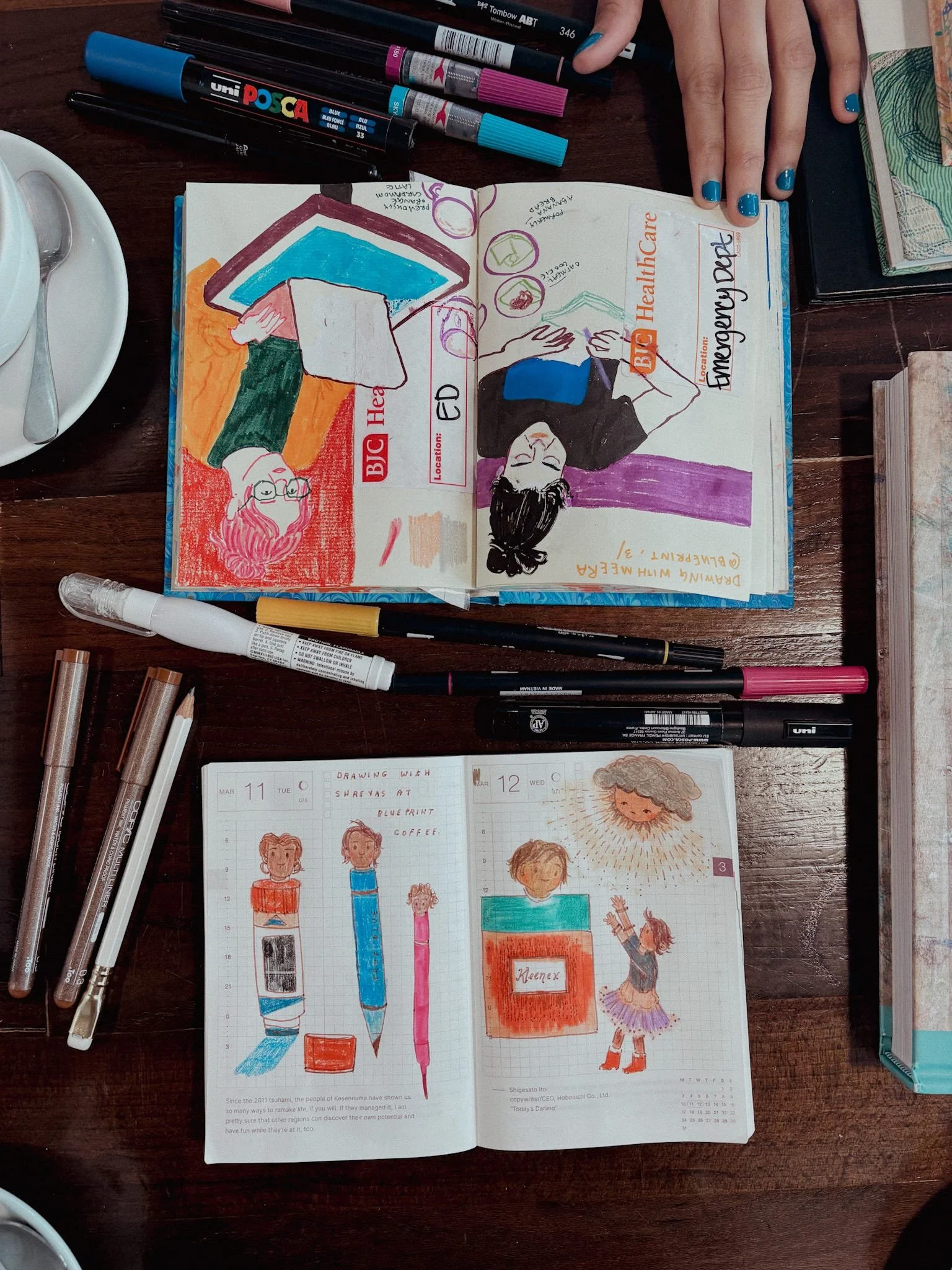
Two sketchbooks open at a coffee shop (2025)

After a long night of not-sleeping, I take a shower and walk myself to our local coffee shop to meet a friend. We’re going to draw together, something I haven’t done since I lived in Nashville nearly four years ago. Our conversation meanders naturally, and I watch where it goes with interest, each turn leading to a fork where both roads seem equally worth the stroll. I spend 3 hours unregrettably, using my hands in the way I prefer. The time together is easy and sweet; a tiny joy. 

Week of March 23, 2025

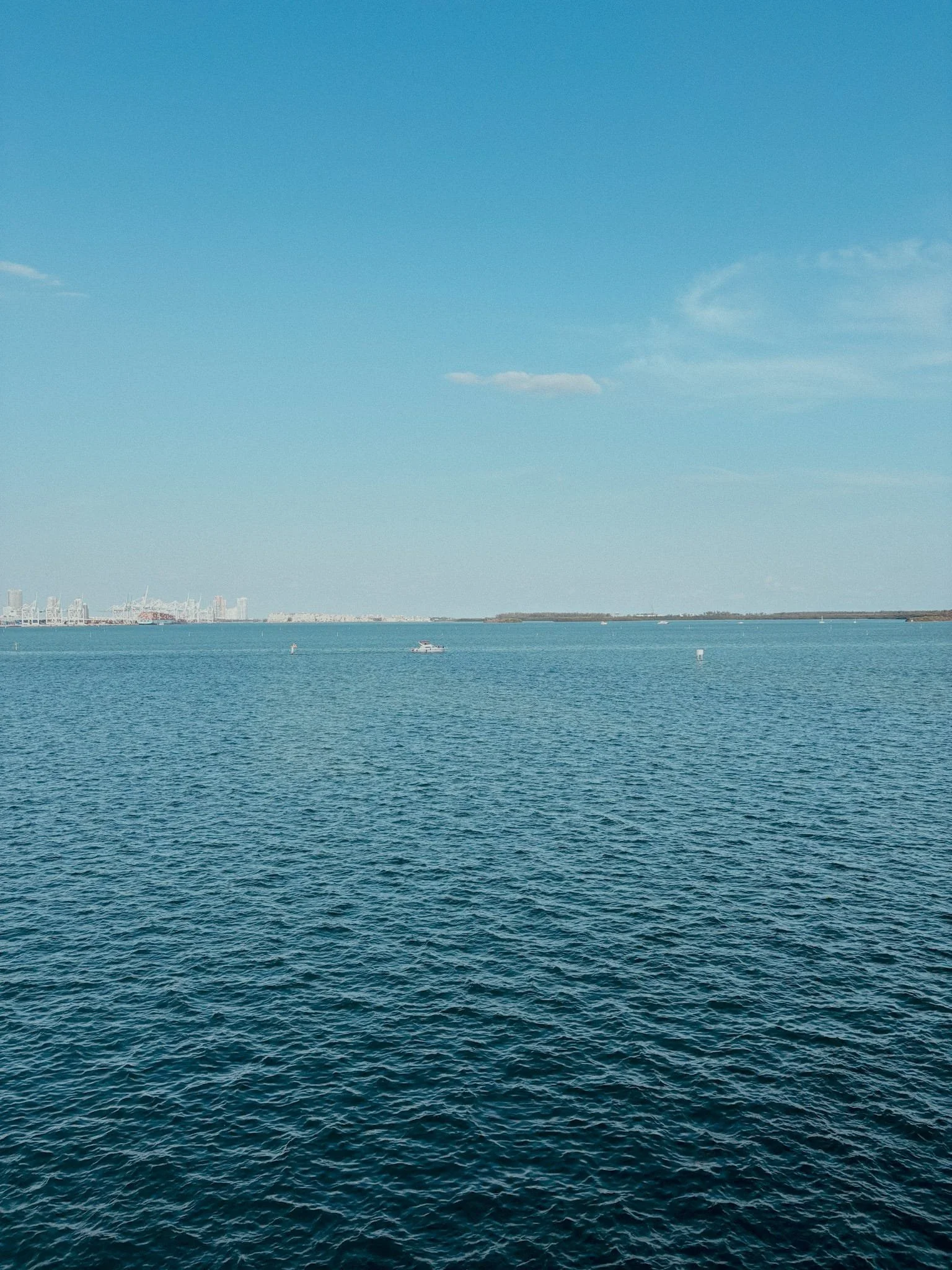
Key Biscayne, Florida (2025)

We take the girls to Miami for a couple of weeks and it doesn’t go as expected. Though full of sea, sunshine, and new adventures, it’s also sticky with resistance, sleeplessness, and many more meltdowns than I’d been prepared for. 

I find myself more tired than I usually am when we travel—vulnerable, even, as if I’d foolishly let my guard down. Had I fooled myself into thinking our family had become good travelers? Why am I so surprised by the inconsistent nature of young children? I try to stay in the moment, but I fail. 

Back at home, I wince at how poorly I’d handled the trip. I wish I’d been steadier—the consistent one, the dependable one. I wish, I want, but all I can do is try again—so I don’t dwell, knowing that that in itself is progress. In a couple of months, we’ll go to the lake, and I’ll breathe as I swim through those waters, and I’ll breathe as I help my sweet kid swim through her endless tears, too: a tiny joy. 

Week of April 1, 2025

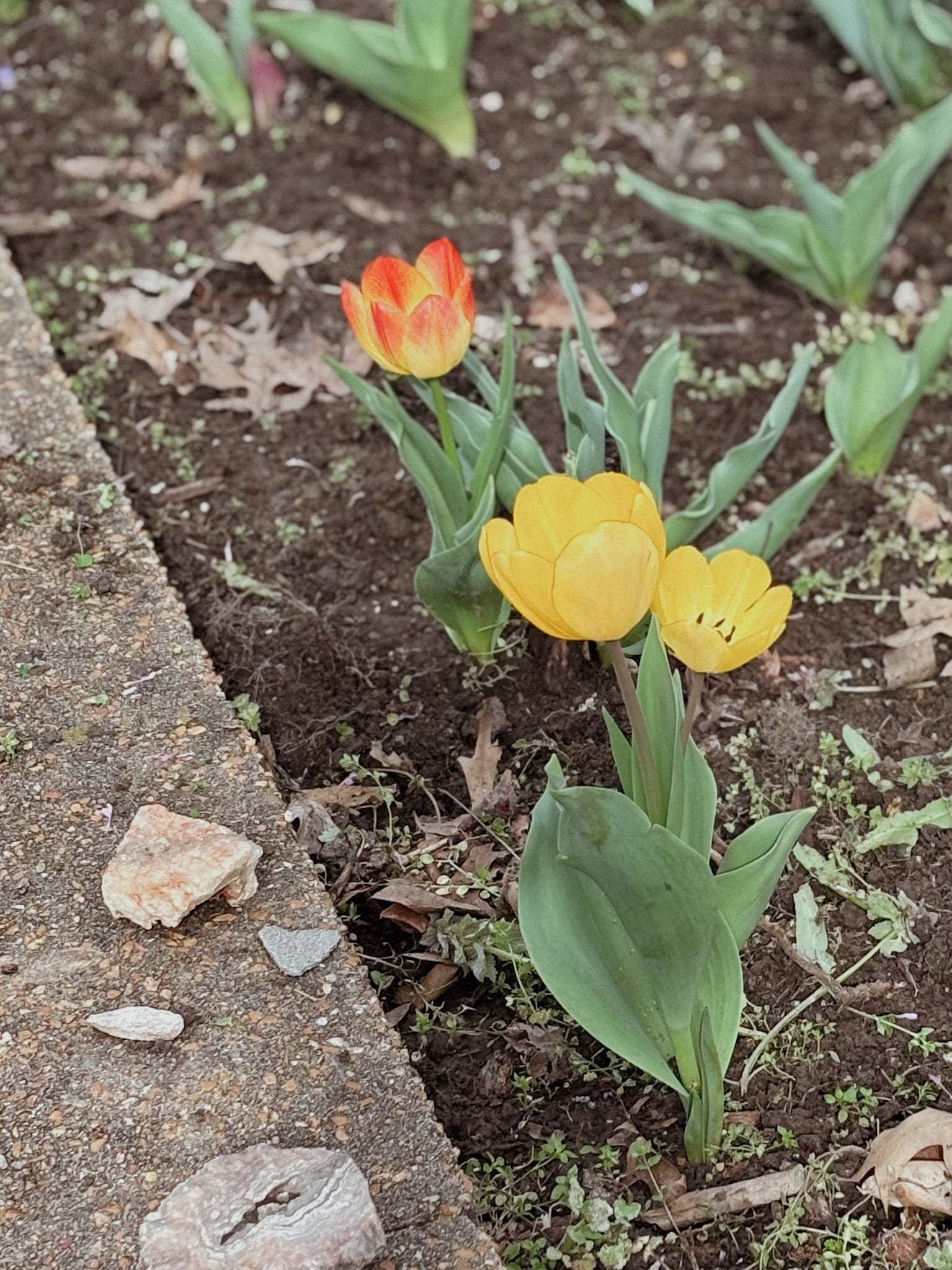
The first of Spring’s tulips (2025)

On the walk back home, the morning doves commune. Clusters of grackles scavenge the dumpsters, the deep peacock blue of their feathers glinting in the sunlight. The tulips we planted last November peak through the soil, their leaves sturdy and true. N runs ahead to count how many faces are turned to the sun. Later, when the sky opens up to let the thunder through, she watches the tulips button themselves up again, dozens of soft leaves bracing against the sudden wind. I watch her, and this is a tiny joy. 

TUESDAY

“I tell my students all the time that all writing makes a thematic argument with the reader. Even the writing that seeks not to, that’s still a stance. The stance that says “escape is a worthy cause.” That means, according to my own rules, this piece of writing is making an argument with you. What could it be? I’m never sure at first. And this is supposed to be about writing and I’ve jumped the shark. But I think if I analyze my argument here, it would be this: there are different flavors of privilege. There is the kind of privilege that, when you use it, takes something away from other people. And then there is the kind that, when you use it, doesn’t. It just—is. And then there is the kind that, when you use it, actually makes it easier for other people to use their privilege, too. Escape is the last kind, when used in particular ways, at least, and at particular times. But you have to escape and also stay for it to remain the last type of privilege.” 

—from “Escape” by A.E. Osworth, author of the forthcoming Awakened

WEDNESDAY

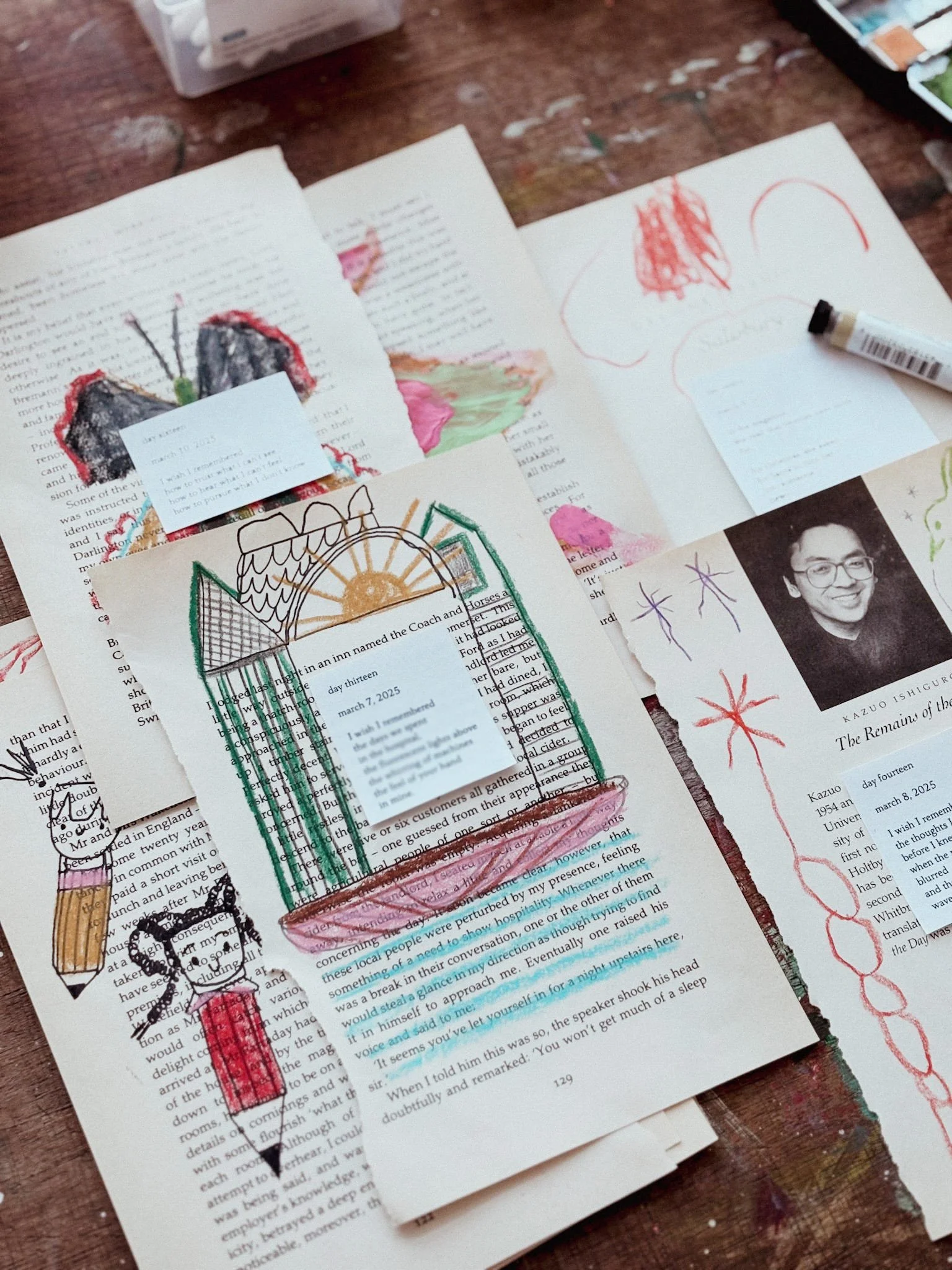
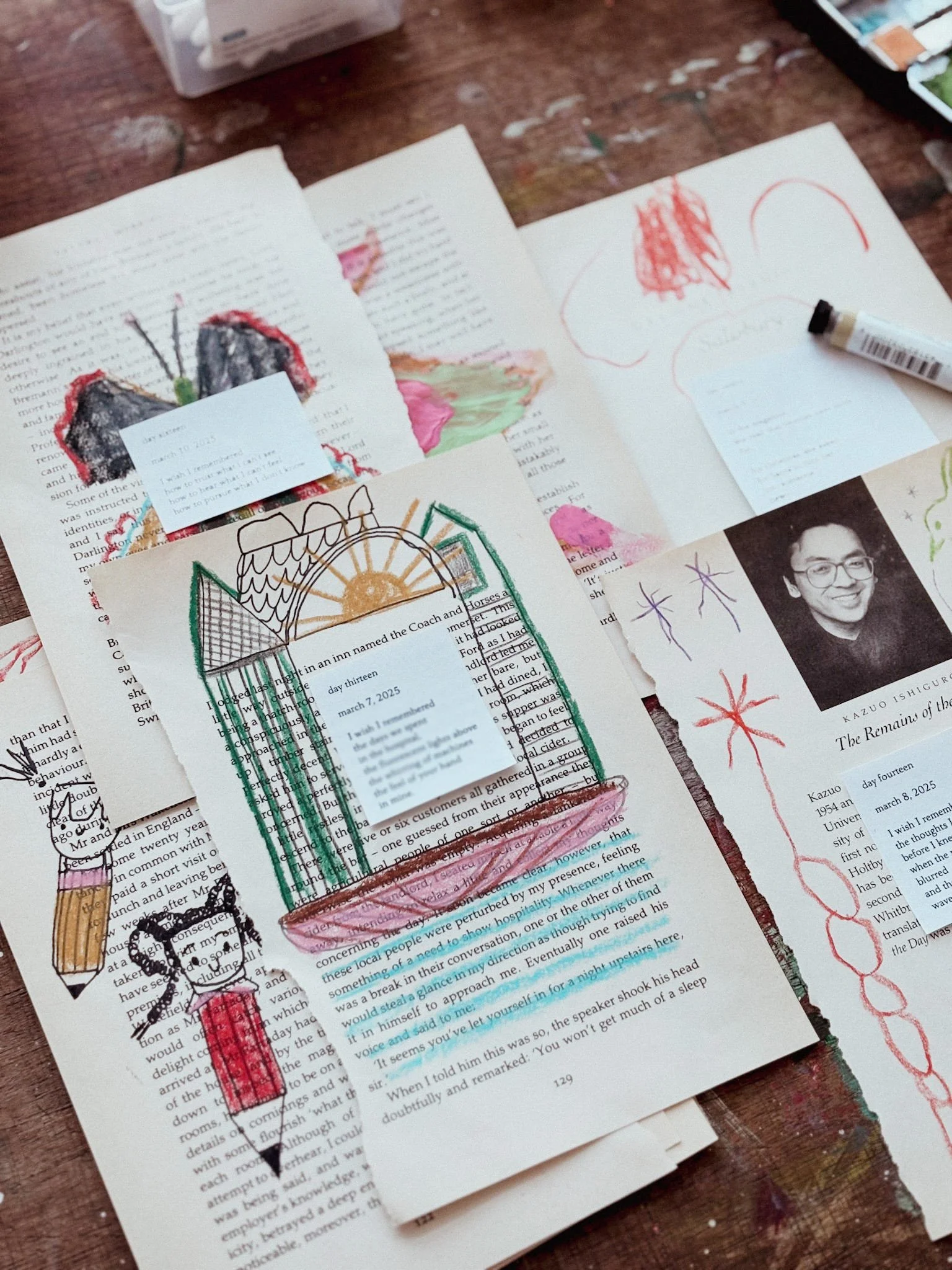
A few pages from my 100 Day Project: poetry and collage (2025)

I joined the 100-day project a few weeks ago, as always, encouraged by my friend Margaux Kent. For it, I picked our daily poem project back up and added a bit of collage, a bit of sketch, and every week or so, I mail a stack of them to her home.

There are many reasons why daily habits are nearly impossible for me to implement, both logistically and practically. Strictly emotionally speaking, perfectionism rests at the heart. I have an unfair expectation of progress—that if I do the same thing everyday, I’ll eventually master it. A fear of failure, the dreadful sense that I might not get better, even if I keep at it, leads me to stop before I start.

I’m on day 40 of the daily project now. I’ve missed days here and there, but I’ve always caught up. I don’t like what I write or draw 99% of the time, but I do it anyway, and the next day, I do it again. I haven’t progressed in any of the ways I’d anticipated—I don’t write better poetry and my sketchbook isn’t full of beautiful drawings—but I have noticed small, unexpected changes that feel even more fruitful: 

  • I have ideas. I write them down, and I find I have even more the next day. 

  • I feel less emotionally-indebted to my work or myself, less tied to what I produce or how much of it. 

  • I like writing to another person daily, even if they don’t write back. The unrequited nature of this project makes it feel even more powerful, like I’m corralling my own attention back. 

  • I am proving myself wrong. I am changing, developing discipline, and determined to complete the challenge. 

Are any of you doing the 100-day project? If so, let me know in the comments — I’d love to follow along

THURSDAY

Reading artist Julie Benbassat’s illustrated 7-year eulogy for her father, David, brought me to tears. This walk through David Benbassat’s life, and Julie’s remembrance of their time together, reminded me of how little so many of us know about our parents, and who they were before they brought us into the world. 

FRIDAY

The man I married sat next to me
after our wedding, October light pouring in
over dusty pews as he loosened his tie
and sipped from a cup of apple cider,
closing his eyes to savor the taste.

Now I think I didn’t marry him so much
as his amazement for the everyday,
the way he still gasps each time we see
something new—baby painted turtle
plodding through a stream in the quarry,

or a neon-orange caterpillar inching
across crisp leaves on the trail,
how he kneels to film it from every angle
while I crouch beside him, in awe
of his awe, learning all that I can.

—Married to Amazement by James Crews

See you next week!

xx,

M


To sign up for my weekly newsletter, Dear Somebody, please subscribe here.
In Sketchbook, Process Tags Sketchbook, Process, Nashville, Florida, Parenting, Parenthood, Travel, A.E. Osworth, Margaux Kent, Julie Benbassat, David Benbassat, James Crews
Comment

Dear Somebody: A new year's day.

January 10, 2025

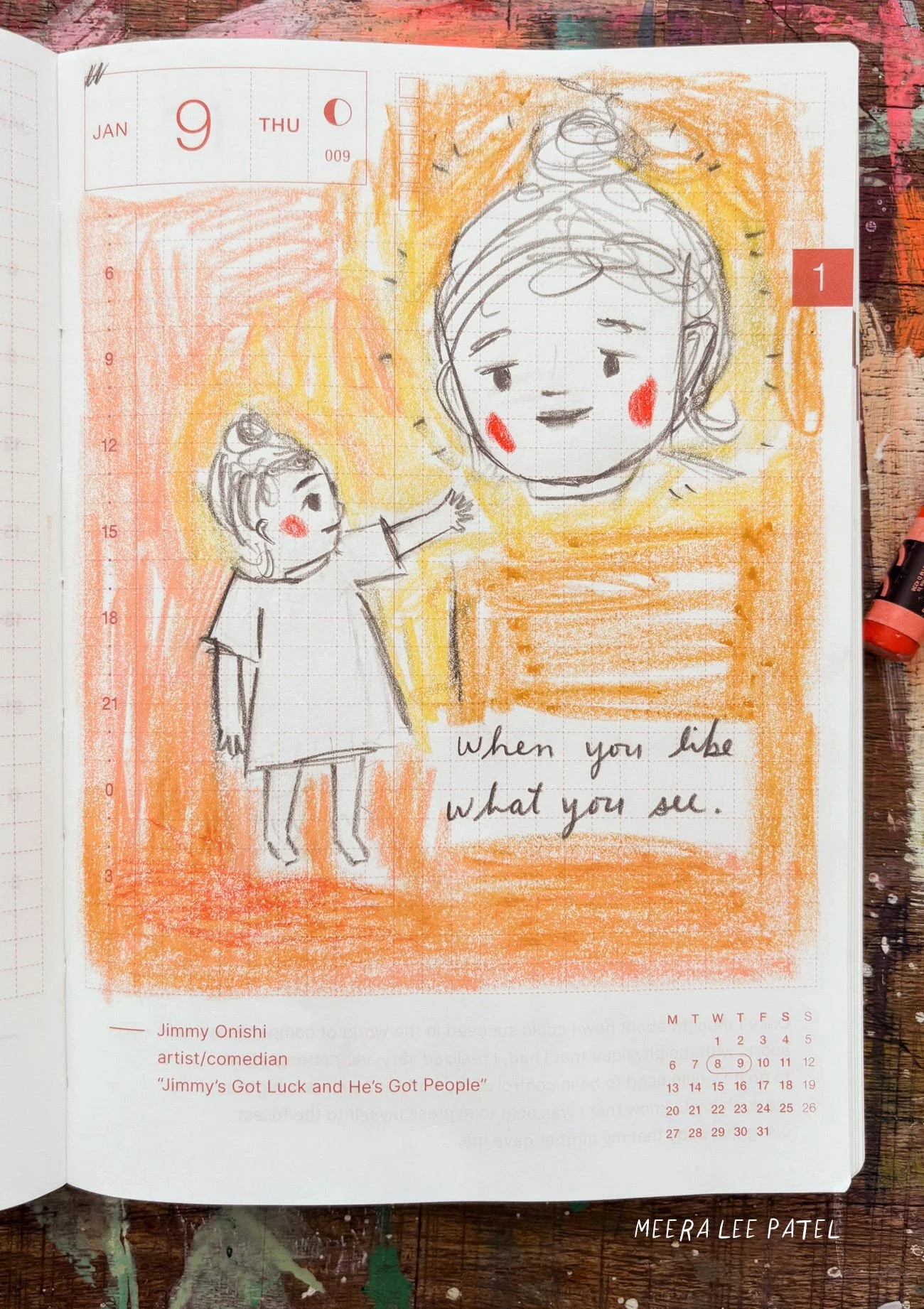
Sketchbook page from January 9, 2025

A year from now, here are five things from this week that I'd like to remember:

MONDAY 

When the first snow of the new year falls, I wake up to the syrupy hours of early morning and slope down the stairs. My cold nose presses against the iced windows while drifts stream down, soft ribbons sparkling against the dark night. A lone car whistles. An enormous moon watches. 

Last year felt like a loss, a piling up of all I didn’t get to. The days moved slowly: a never-ending trail of meal-making and playing catch up, of falling farther and farther behind, of willing my mind to be present and my temper further restrained, of tempering my expectations while motioning for my spirit to remain untethered, unfettered, dancing before me. 

Last year felt like a loss, a blur of all I was too overwhelmed to see. The days turned quickly: a whirl of cake-making and playing dress up, of celebrations and wishes, of willing myself to be a better mother than the ones I’ve been before, of one step forward and several steps back, of choosing—again and again—to tear it all down and rebuild, rather than simply walking away. 

Last year felt like a loss, a constant pinging of everything beyond my control. A year of reaching: where the person I am followed the person I want to be, of days that marked death and deaths that marked each day, of choosing to remind and remember, of chilling loneliness and bitter stagnation, of seeding and searching for new growth, and still—the gratitude for each new morning, evening, star. 

Now the days are gathered up behind me, three hundred-and-some in all. Looking back, I see a few neatly washed, some fed and watered, some treasured—but all worn through well, all loved and wanted.

Last year felt like a loss, but it also brought me back to myself. I sit here and write, the most honest form of loving I know, and feel the presence of someone I haven’t been before. Someone who tries, in the ways she knows how, to leave a change in the people and places she comes across. 

I love making resolutions. I love big, lofty lists of vows and ambitious goals, but in this new year, I have only one: to love myself the way I love life—in acceptance of all it is, in awe of all it can be. And I wish the same for you. 

TUESDAY

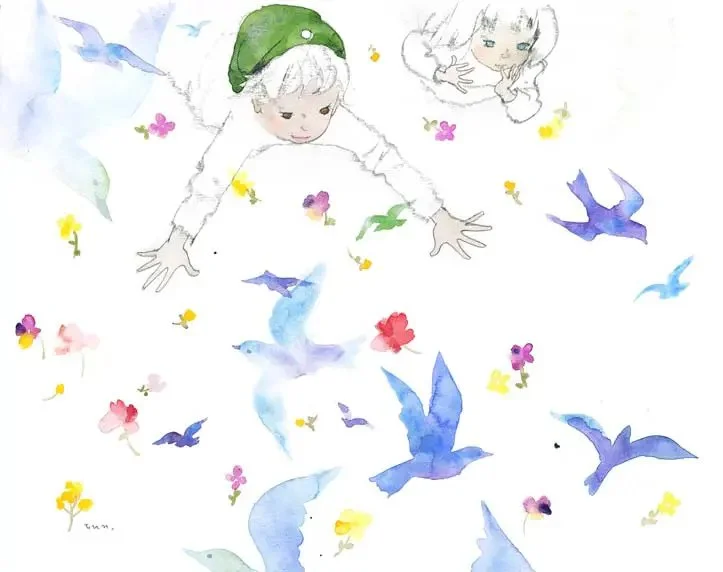
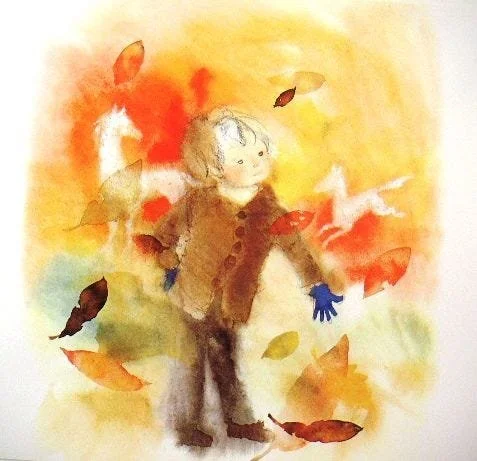
I’ve been under Chihiro Iwasaki’s spell for years now, long before I visited the Chihiro Art Museum in Nerima, Tokyo in 2019 and took in the full breadth of her work.

Chihiro Iwasaki, Tyltyl and Mytyl Running after the Blue Bird from Aoi Tori (The Blue Bird), Kodansha, 1969 | Courtesy of the Chihiro Art Museum Tokyo

The Little Mermaid Thinking of the Prince

Source: Jama’s Alphabet Soup

It’s been five years since I visited that museum, which was previously the home she shared with her husband and son, but her work continues to influence the paintings I make and the shape I’d like my life to take.

Rarely do I spent a day in my studio without considering the war-struck life she lived, the ethereal nature of her paintings, the sensibility in her line work, or the philosophy steadily strung throughout her paintings: to live a simple and modest life, to listen for laughing voices, and to protect our children at all costs. 

WEDNESDAY

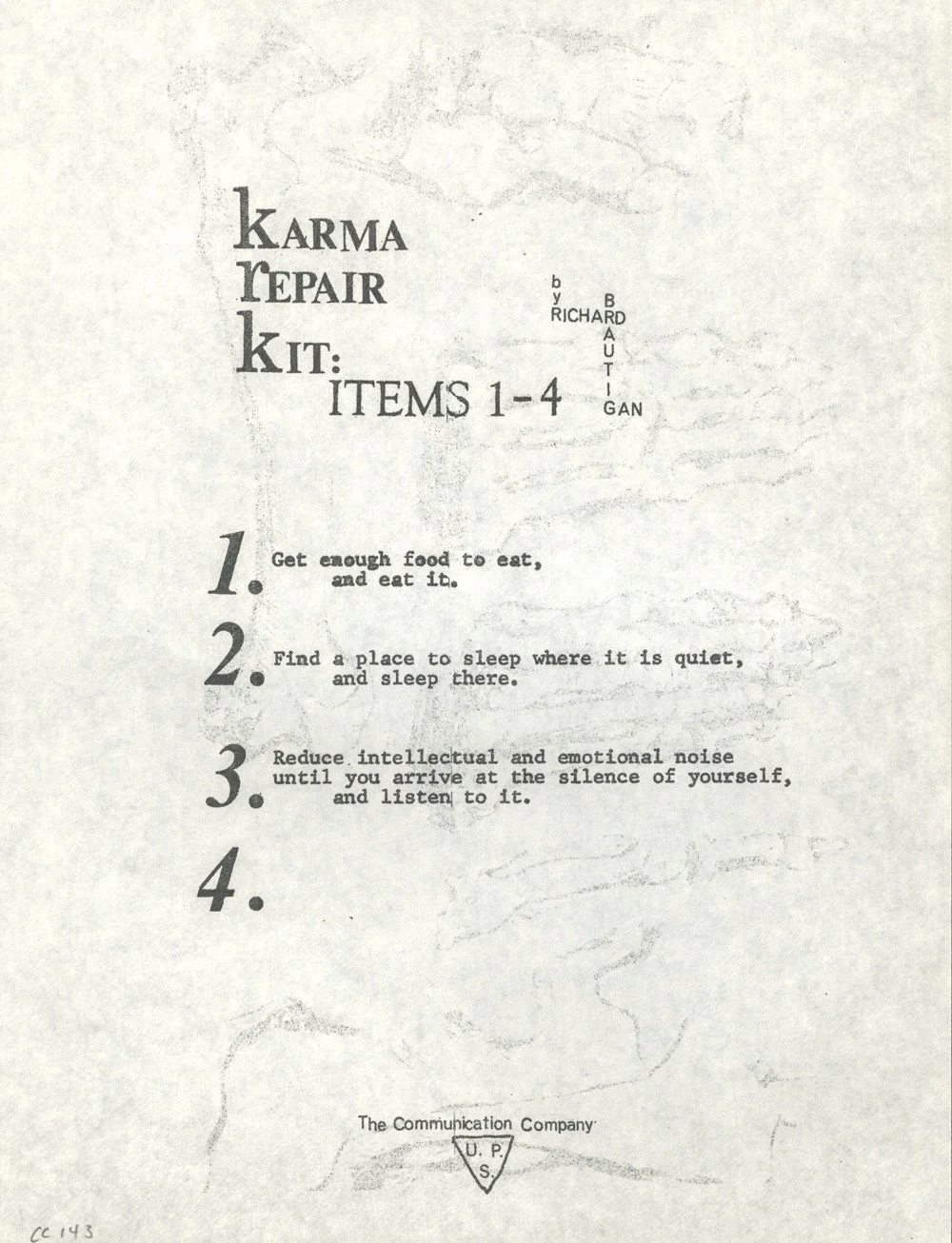
An image of Richard Brautigan’s Karma Repair Kit

THURSDAY

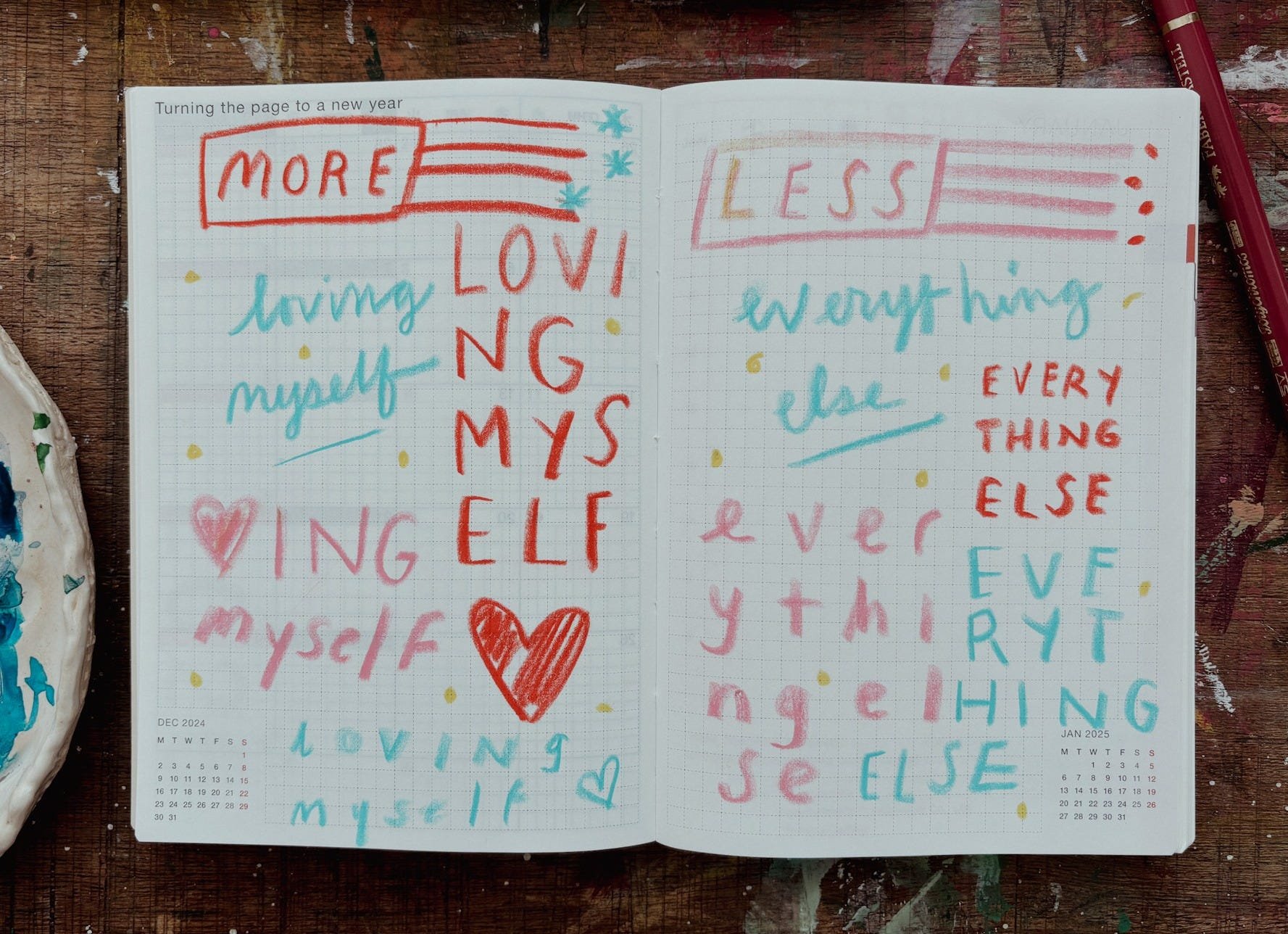
I kept my more/less list extremely minimal and to-the-point this year, with the understanding that improvement on this one core item will greatly impact the rest of my world and everything inside it:

“The word "love" is most often defined as a noun, yet all the more astute theorists of love acknowledge that we would all love better if we used it as a verb. I spent years searching for a meaningful definition of the word "love," and was deeply relieved when I found one in psychiatrist M. Scott Peck's classic self-help book The Road Less Traveled, first published in 1978. Echoing the work of Erich Fromm, he defines love as "the will to extend one's self for the purpose of nurturing one's own or another's spiritual growth." Explaining further, he continues, "Love is as love does. Love is an act of will-namely, both an intention and an action. Will also implies choice. We do not have to love. We choose to love." Since the choice must be made to nurture growth, this definition counters the more widely accepted assumption that we love instinctually.” —from bell hooks’ All About Love

For archival purposes, here’s last year’s more/less list. 

FRIDAY

The day feels put together hastily
like a gift for grateful beggars
being better than no time at all
but the bells are ringing
in cities I have never visited
and my name is printed over doorways
I have never seen
While extracting a bone
or whatever is tender or fruitful
from the core of indifferent days
I have forgotten
the touch of sun
cutting through uncommitted mornings
The night is full of messages
I cannot read
I am too busy forgetting
air like fur on my tongue
and these tears
which do not come from sadness
but from grit in a sometimes wind

Rain falls like tar on my skin
my son picks up a chicken heart at dinner
asking
does this thing love?
Deft unmalicious fingers of ghosts
pluck over my dreaming
hiding whatever it is of sorrow
that would profit me

I am deliberate
and afraid
of nothing.

—New Year’s Day by Audre Lorde

See you next week!

xx,
M


To sign up for my weekly newsletter, Dear Somebody, please subscribe here.
In Sketchbook, Process Tags Sketchbook, snow, Chihiro Iwasaki, Chihiro Art Museum, Richard Brautigan, more/less list, new year, resolutions, Bell Hooks, Audre Lorde
Comment

Dear Somebody: After some time away.

July 15, 2022

A page from my recent sketchbook in Rabastens, France

I spent the larger part of June finalizing my visual journaling retreat with my friend and skilled illustrator Rebecca Green. Over the course of 10 days, we taught 17 students how to capture everything they saw and felt within the pages of their sketchbooks. We focused on both the emotional and technical aspects of translating moments into drawings, and by the end of the trip, we all went home having learned more about art, community, and ourselves than we'd bargained for.

I plan on writing more about our France trip later this month, but for now, today's letter is a jumble of the many things circling my mind over this past week.

MONDAY

I've been away for 11 days. This is the first time I've been away from N in her entire life, and I'm nervous to go home. Will she still want me to be there? I climb out of the Lyft and up the four steps to my front door––a heavy wooden number punctuated by a dozen panels of glass. T swings the door open and N peeks out from behind him. He's grinning, excited to see me, but N is quiet, even solemn.

“Look who it is!" T says, encouraging her to react. "Mama is home!”

N touches my knees quietly before toddling away, and in that moment, I feel relief. At least she's not upset, I think to myself, not knowing what the following 3 weeks will bring.

I didn't know then that N could hold so many tears. I didn't know that my little laddu wouldn't want me to brush her teeth or give her a bath. I didn't know that she'd scream hysterically for her dad, kicking herself out of my arms to create more distance between the two of us. I didn't know then that my 11 days away would plant 23 days of screams, tears, and confusion in the body of a small child who no longer wants her mother.

I didn't know. I didn't know.

TUESDAY

The best part about traveling is that time stops being itself, instead choosing to stretch on and on and on. For the first time in years, I sit and work in my sketchbook for as long as I want––without interruption. Such joy! Such absolute luxury. I know it won't last long, so I try my hardest to be in the moment. And I do. And I am.

Some sketchbook pages from France are here, here, and here; Becca's sketchbook pages from our trip are here. My favorite sketchbooks these days are from Koba, Emma Carlisle, Cromeola and Sean Qualls.

WEDNESDAY

I think about my friendships frequently: how to nurture and support them, how to be a better friend, and also, how to cut a not-quite-right friendship loose. T and I talk about community regularly. We witness our own friendships stiffen or expand through the various seasons of our lives. More than once, I ask him if I desire too much from my friendships. Echoing my friend Cyndie, he reminds me that not everyone is for me––and that it's also OK to aim higher–-to want more.

“I want more friends, more casual impromptu hangs, more dropping by with dinner, more walking and talking and advice sessions, more kids underfoot, more asking for and saying what we need, more hands to carry heavy boxes, more laughing and cackling and snorting, more children farting at the dinner table, more of what makes life messy, less painful, more sweet. I want to give and receive, to always be swapping Tupperware and food, all of us crowded together like curvy lumpen mangoes in a baking dish.”––from Angela Garbes' latest book Essential Labor: Mothering as Social Change

Friendship means different things for different people. Not everyone is in it for the same reasons, and quite frankly, not everyone is interested in the amount of effort a beautifully messy, loving friendship requires. But Angela Garbes, I think, is.

THURSDAY

I am reading: The Land of In-Between, Planning for Disaster, How to Cope with Radical Uncertainty, The Sour Cherry Tree

I am listening: Baquenne, Carla Bruni, Yves Montand

I am watching: Ernest & Celestine, based on the original children's books series by Gabrielle Vincent. Becca & I watched it on the plane ride home from France and were immediately taken by the soft watercolor and ink washes and the endearing tale of two friends who choose each other, again and again.

FRIDAY

To love life, to love it even

when you have no stomach for it

and everything you’ve held dear

crumbles like burnt paper in your hands,

your throat filled with the silt of it.

When grief sits with you, its tropical heat

thickening the air, heavy as water

more fit for gills than lungs;

when grief weights you down like your own flesh

only more of it, an obesity of grief,

you think,

How can a body withstand this?

Then you hold life like a face

between your palms, a plain face,

no charming smile, no violet eyes,

and you say, yes, I will take you

I will love you, again.

–The Thing Is by Ellen Bass

Thanks for reading and for being here with me. See you next week!

xo,

M


To sign up for my weekly newsletter, Dear Somebody, please subscribe here.
In Sketchbook Tags Rebecca Green, Artistic Retreat, Teaching, Motherhood, Traveling, France, Sketchbook, Emma Carlisle, Koba, Cromeola, Sean Qualls, Friendship, Community, Angela Garbes, Yves Montand, Carla Bruni, Baquenne, Ernest & Celestine, The Land of In-Between, Planning for Disaster, How to Cope with Radical Uncertainty, The Sour Cherry Tree, Ellen Bass, Poetry
Comment

Dear Somebody: The Classroom.

May 27, 2022

A snippet of an illustration from my sketchbook series, The Classroom

A year from now, here are five things from this week that I'd like to remember:

MONDAY

A few months ago, my professor asked us to keep a sketchbook of life drawings. Our instructions were simple: draw quickly, draw truthfully. No self-editing, no time for over-thinking, and no digital materials.

I decided to focus on N's classroom, capturing a little of her day during morning drop-offs and afternoon pick-ups. I drew the loving community she'd formed in the few months since she'd begun attending school, the way she chanted her friends' names over and over on the drive home. I drew her teachers, who cared for her mind and her body, though none of their blood ran through her. I drew her imagination, the way it chugged steadily along and then blossomed, encouraged by all she's exposed to within her four classroom walls. I drew the ache of leaving her behind, and the relief of it, too.

This collection of sketchbook pages, titled The Classroom, is now on my website. In light of the news from Uvalde this week, this project feels different to me now: still joyful, but calloused. I know I shouldn't. No one should feel guilty for being spared. But I also know this: nothing separates me, or N, from the parents and children in Texas––nothing but sheer luck.

TUESDAY

N's home sick from school today, so I take the day off work, too. We're in my studio drawing when the first Times headline appears in my inbox. I scan it quickly, my body tensing. Oh no, I say quietly, under my breath. N, who listens too carefully for an 18-month-old, looks up and echoes my reaction, her smile splitting her face in half. Mama? Oh no? Oh no! Not understanding, she begins to laugh.

Not understanding, I close my email and focus on our drawing. We are drawing scribbles today, which is different from every other day only in that it is a different day. I inhale and exhale. I will myself to relax, monitoring my body language and tone constantly, all in an effort for N to feel free and joyful for as long as she possibly can. If I can hold it in, she won't have to hold it at all.

I'll read the news after she goes to bed, I tell myself. The headline said the children were only injured. My own reaction is ludicrous––poisoned, even: only. Only injured. The rest of the day progresses routinely, save for the punctuating news updates and anxious texts from other parents. I read each one and then press a smile back onto my face. After she goes to bed. We push the wagons, we throw strawberries on the ground, we begrudgingly take a bath.

Around 6:45, N snuggles up to T and coaxes him to read the second of one thousand bedtime stories. One dozen times is how many times I tell N that I love her, and even after that, I continue telling her within the confines of my own mind as I head downstairs to make dinner. I take all the ingredients out: the soup, the bread, the spoons, the bowls. I place the dutch oven on top of the burners and start the flame. After that, I simply lean over the stove and sob, my body shaking for all of the beautiful children we insist––so stupidly, on leaving behind.

WEDNESDAY

"There’s a thousand ways it could happen, I know. Images flash in my mind, glimpses of what could be when danger looms near. A car gets too close to the curb when we’re walking on the sidewalk. Another rolls through a stop sign just as we cross the intersection. I imagine scooters flipping and bikes ramming into walls. Trucks driving in the wrong lane. I see baseball bats swung too close to heads and escalator rides gone awry. Every fever brings on the reality that illness can hit anyone at anytime, that many don’t recover. That that could be one of mine. I tell myself to breathe deeply and heavily when they go onto the roof with their dad to string the Christmas lights. But I don’t actually breathe until their feet are back on the ground. I grip their hands tight on the Ferris wheel, remind them to sit and not lean over too far. Remind them not to dive into the shallow end. To not walk too far out into the ocean.

Some of this is my anxiety, I know. But the rest is my motherhood. The part of my brain that changes when babies are born, the part that is conditioned to sense danger in every corner.

It’s the part that screams in silence when nightmares are near.

And here, in America, nightmares are always near."

––on living in the space between grief and rage by Ojus Patel

THURSDAY

This week, I look at what other artists have chosen to remember:

American People Series #15: Hide Little Children, 1966 by Faith Ringgold

“Mera sohna gagaloo magaloo puth” by Baljinder Kaur

Boy Among Withered Leaves by Chihiro Iwasaki

Three Ages of Women by Gustav Klimt

FRIDAY

The world

is full of doors.
And you, whom I cannot save,

you may open a door

and enter a meadow, or a eulogy.
And if the latter, you will be

mourned, then buried
in rhetoric.

There will be
monuments of legislation,

little flowers made
from red tape.

What should we do? we’ll ask
again. The earth will close

like a door above you. 
What should we do?

––Letter Beginning with Two Lines by Czeslaw Milosz by Matthew Olzmann

xo,

M


To sign up for my weekly newsletter, Dear Somebody, please subscribe here.
In Motherhood Tags Sketchbook, Life Drawing, Parenting, Motherhood, Drawing, Ojus Patel, Faith Ringgold, Baljinder Kaur, Chihiro Iwasaki, Gustav Klimt, Matthew Olzmann, Poetry
Comment

Meera Lee Patel is an artist, writer, and book maker. Her books have sold over one million copies, and been translated into over a dozen languages worldwide.

Her newsletter, Dear Somebody, is a short weekly note chronicling five things worth remembering, including a look into her process, reflections on motherhood, and creative inspiration.

Join thousands of other readers by subscribing.


Latest Posts

Featured
Apr 10, 2026
Dear Somebody: The hard work of it makes me shine.
Apr 10, 2026
Apr 10, 2026
Apr 3, 2026
Dear Somebody: A thousand years.
Apr 3, 2026
Apr 3, 2026
Mar 6, 2026
Dear Somebody: On giving up.
Mar 6, 2026
Mar 6, 2026
Feb 20, 2026
Dear Somebody: A monster inside the wall.
Feb 20, 2026
Feb 20, 2026
Jan 30, 2026
Dear Somebody: More Than Machine.
Jan 30, 2026
Jan 30, 2026

categories

  • Books 12
  • Life 62
  • Motherhood 11
  • Picture Book 1
  • Process 31
  • Sketchbook 12
  • Writing 4
Full archive
  • April 2026 2
  • March 2026 1
  • February 2026 1
  • January 2026 3
  • December 2025 1
  • November 2025 1
  • October 2025 4
  • September 2025 3
  • August 2025 1
  • July 2025 1
  • June 2025 3
  • May 2025 3
  • April 2025 4
  • March 2025 1
  • February 2025 2
  • January 2025 3
  • December 2024 2
  • November 2024 2
  • October 2024 2
  • September 2024 3
  • August 2024 2
  • July 2024 2
  • June 2024 2
  • May 2024 3
  • April 2024 2
  • March 2024 4
  • February 2024 4
  • January 2024 3
  • December 2023 2
  • November 2023 2
  • October 2023 4
  • September 2023 5
  • July 2023 2
  • June 2023 2
  • May 2023 3
  • April 2023 2
  • March 2023 4
  • February 2023 3
  • January 2023 4
  • December 2022 2
  • November 2022 1
  • August 2022 1
  • July 2022 2
  • May 2022 2
  • April 2022 2
  • March 2022 1
  • January 2021 1

READ MY BOOKS


Copyright © 2023 Meera Lee Patel